
CLOSED |
|---|
Q2 2025 |
LOCATION |
Racine, WI |
SQUARE FOOTAGE |
77,000 |
TOTAL PROJECT COST |
$68M |
INVESTOR |
Old National Bank |
CDE |
Consortium America, LLC; First-Ring Industrial Redevelopment
Enterprise, Inc.; Forward Community Investments, Inc.; Old National Bank, Self-Help Credit Union |
CENSUS TRACT |
55101000400 |
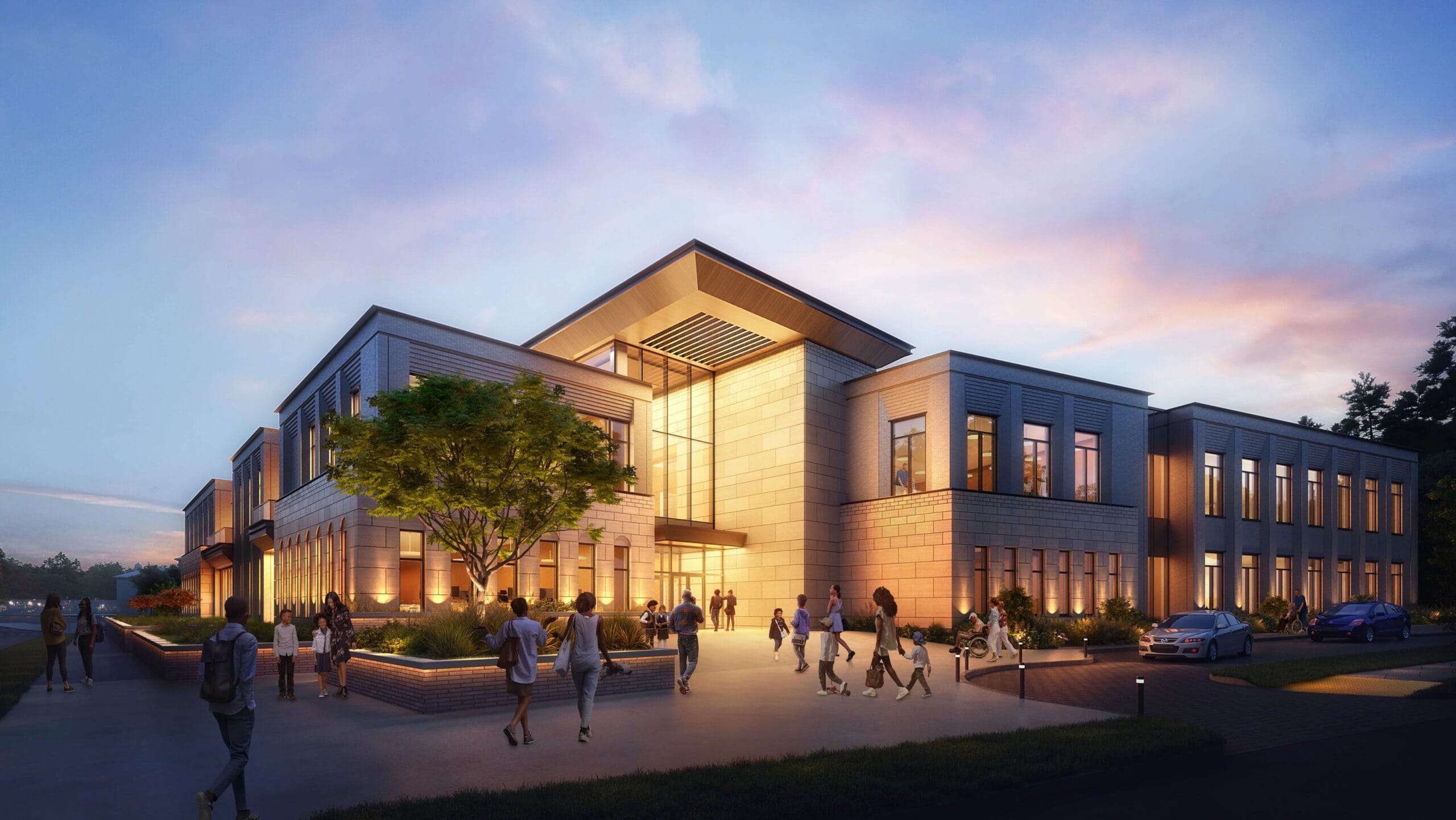
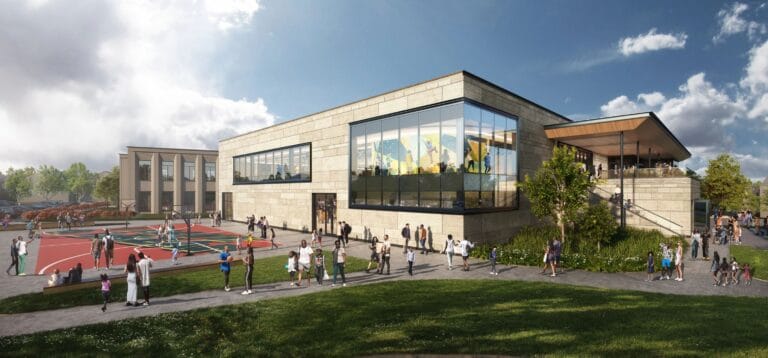
The King Center is a 77,835 SF catalytic investment providing holistic services to residents of the Lincoln-King neighborhood and the larger Racine area. The project includes a campus-like hub where combined facilities will address health and wellness, educational and vocational opportunities, and social needs for individuals and families.
The project is located adjacent to Julian Thomas Elementary School, a strategic choice offering significant benefits to families. This proximity will enable easier access to after-school programs, recreational activities, and medical services.
The project is the first Net Zero building in Racine, using geothermal heating and cooling and on-site solar electricity generation.
Investing in the Future of the Lincoln-King Neighborhood
With this historic investment, the Lincoln-King neighborhood receives increased opportunities for equitable access addressing long-standing health, wellness, and social disparities. Community involvement was, and is, essential to the design and development process, ensuring the new center reflects the needs and values of those it will serve.
Key improvements:
- As the largest city in Wisconsin without a federally qualified health center—a critical resource for residents with low incomes or limited access to health insurance, this project’s inclusion of a health facility will directly address this issue.
- The new Community Center will be significantly larger than the existing facility, adding tens of thousands of square feet dedicated to needed medical and wellness services.
- Convenient, accessible parking is a top design priority, especially for seniors and individuals with disabilities.
Community Center Programming
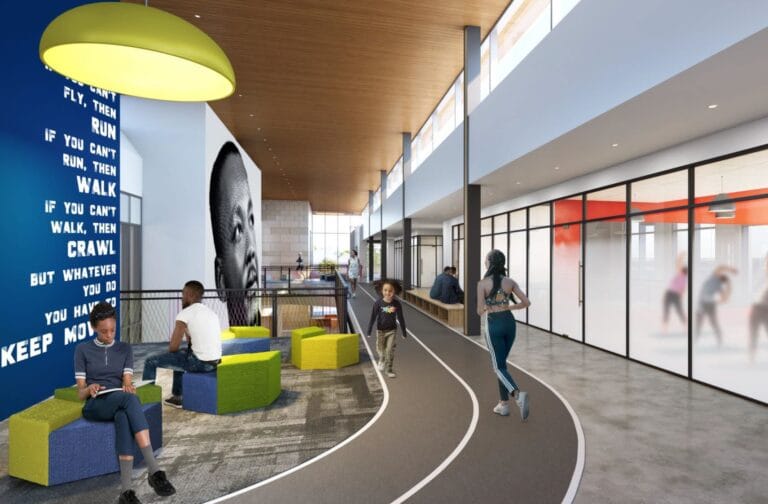
Senior Programs: cards, pickle ball, walking, weight training, sewing, culinary, computer literacy.
Adult Programs: open recreation, weight training, adult basketball and volleyball leagues, alcohol anonymous, walking, computer literacy, financial literacy, resume building, gaming/e-sports.
Youth Programs: after-school programs, open recreation basketball, soccer, gaming/e-sports, rock climbing, weight training, arts and crafts, trading club, Teen Outreach Program, Next Level Mentoring.
Special needs programs: culinary arts, homework assistance, special events, summer playground, youth basketball leagues, summer lunch program.
Quality and Accessible Jobs
- Creation of roughly 20 new permanent jobs, with a commitment by the City to include: comprehensive benefits and career advancement opportunities.
- 20% of the jobs will be filled by city residents in the Racine Works Program, which helps underemployed and unemployed residents gain access to employment opportunities
- Pillar Health, a women-led organization, is looking to target 12,000 new annual medical visits per year, with 4,500 unique patients per year.
- These numbers include 90% of patients that have lower incomes and at least 80% diverse patients.
Community Engagement and Input
The city and design team received thoughtful input through the community engagement process, including:
- Youth programming: Including space for children to play, do homework, and participate in music, art, and theater.
- Comprehensive health services: Including medical, dental, and mental health care, social-emotional learning, and conflict resolution.
- Inclusivity: Services and facilities specifically catered to people who speak Spanish and people with disabilities.
- Participants also expressed a desire for amenities such as arts education, flexible hours, smart technology, fresh food options, outdoor green space, and athletics.
- Students from the adjacent Julian Thomas Elementary School shared their ideas, including games, such as basketball, volleyball, cheerleading, gymnastics, ballet, soccer, and space for playing with dogs and siblings. They also requested healthy fruit, more food, and party rental space.
The King Center project was heavily guided by input from area residents, who highlighted immense lack of access to timely primary health and preventive care, as well as significant challenges in navigating a fragmented health system. The resulting collective goal of the City of Racine and its partner agencies was to center marginalized populations, while maintaining a high level of care, recognizing that the health of its community is only as good as that of its most vulnerable. By housing programs and services together, access becomes more convenient and streamlined, allowing residents to see and feel a much-needed change in accessibility and care more quickly. This integrated approach has proven successful in other communities, where medical and community programs have flourished, reaching and helping more people.
Residents struggle to manage chronic diseases and delay care, until it requires immediate emergency or urgent care services. Pillar Health programming and service delivery will emphasize preventative care so as to minimize consumption of costly emergency/urgent care resources.
The relocation of the Racine Public Health Department will result in increased access and availability. The ultimate goal of both organizations is to decrease the incidents of morbidity and mortality in Racine.
Deeply Distressed
Census tract (55101000400) is deeply distressed based on a poverty rate >40%, a median family income <40% of the metro area median family income, and an unemployment rate >2.5x the national average.
Additional Distress Criteria
Medically Underserved Pop.
Net Zero Energy
As Racine’s first net zero building, the new Lincoln-King Community & Health Center is a highly energy-efficient structure. Through geo-thermal heating and cooling, plus onsite solar-electricity generation, the building, over the course of a year, fully offsets its reliance on fossil fuels and non-renewable grid power to generate the energy to sustain operational needs.