
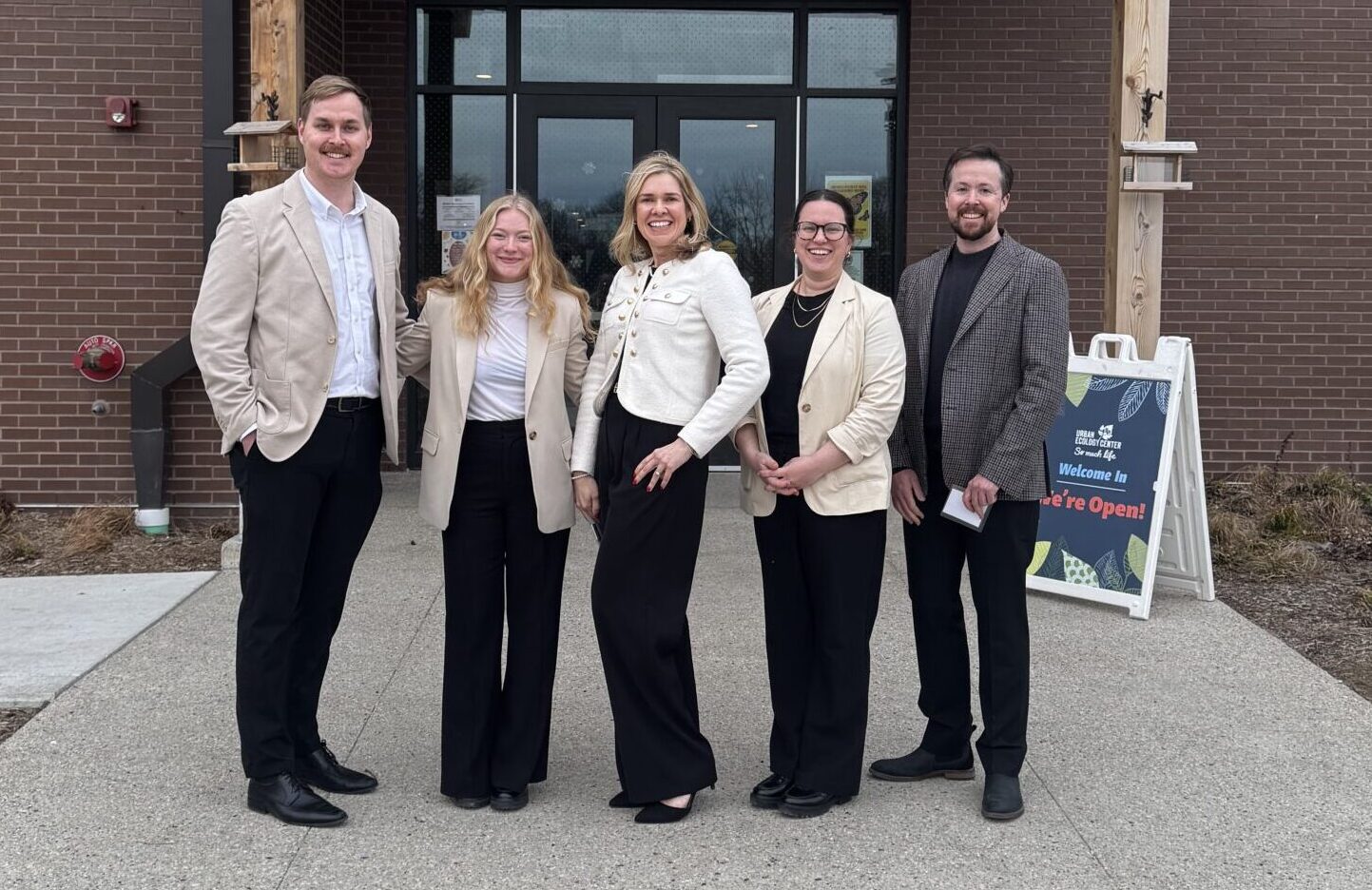
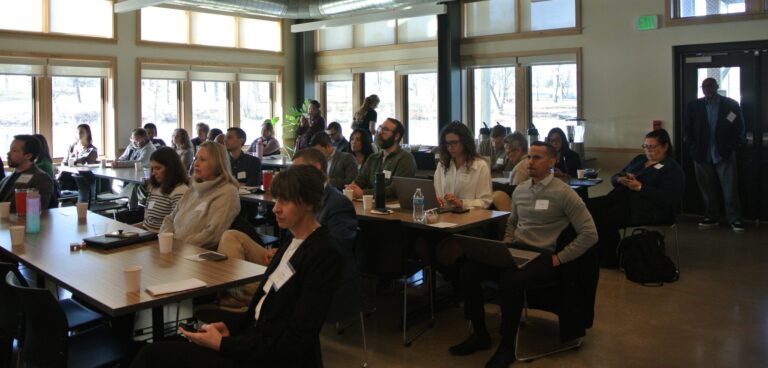
On February 19, 2026, we had the privilege of hosting our Invest Forward: Funding Tools for Community Development summit in Milwaukee at the Urban Ecology Center — bringing together leaders from across the public, private, and nonprofit sectors for a full day of learning, collaboration, and practical problem‑solving.
From the opening session through the final networking hour, the energy in the room reflected a shared commitment: moving capital into projects that strengthen neighborhoods, expand opportunity, and support the people who make our communities thrive.
We were honored to be joined by Milwaukee Mayor Cavalier Johnson, who emphasized the city’s dedication to equitable, affordable, community‑driven development, and has officially declared 2026 the “Year of Housing.”
You are the investors – of vision, of structure, of change. Keep moving forward. Keep investing forward.
Carrie Sanders
CEO & Founder, HCC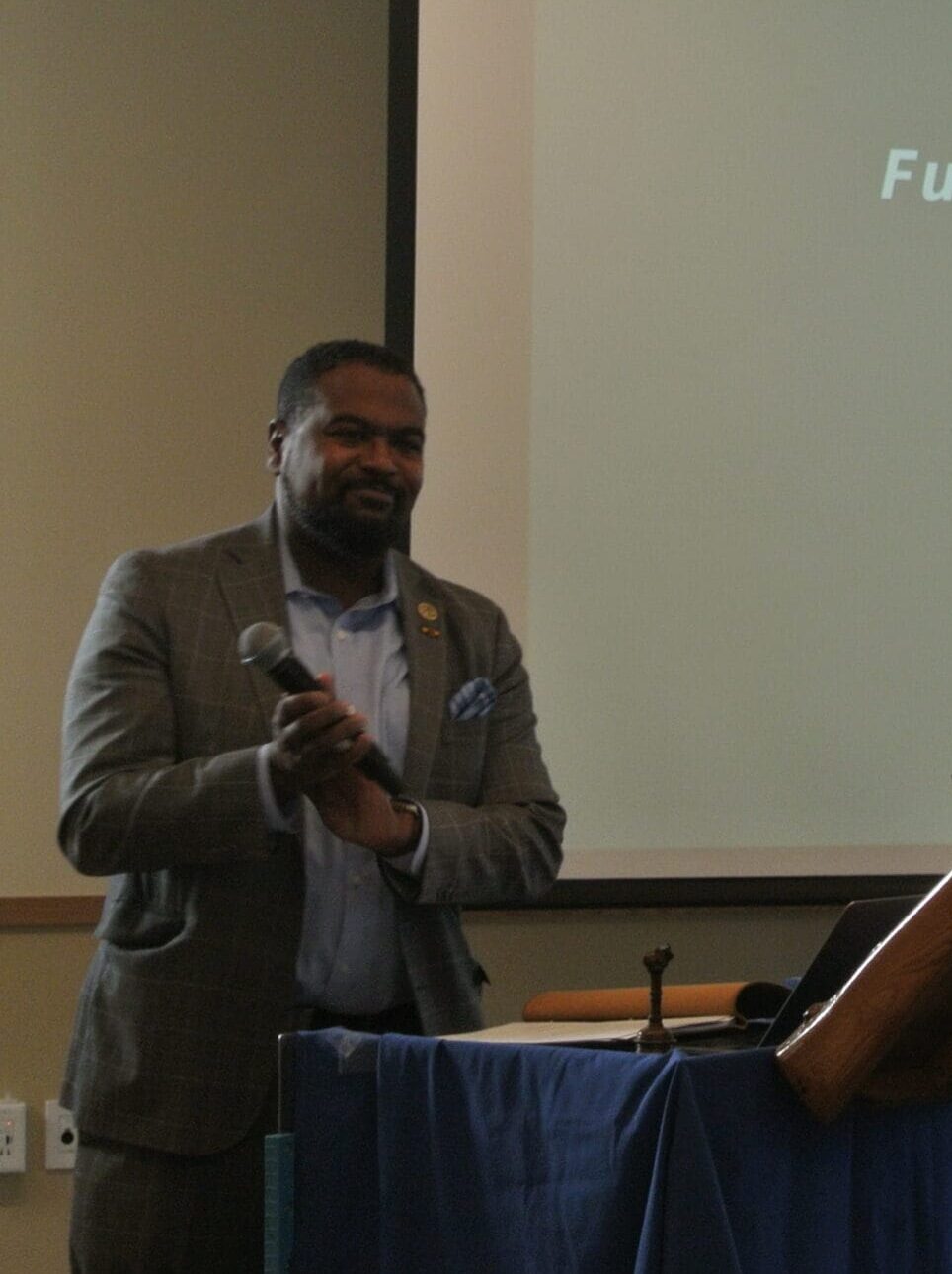
Welcome & Opening Reflections
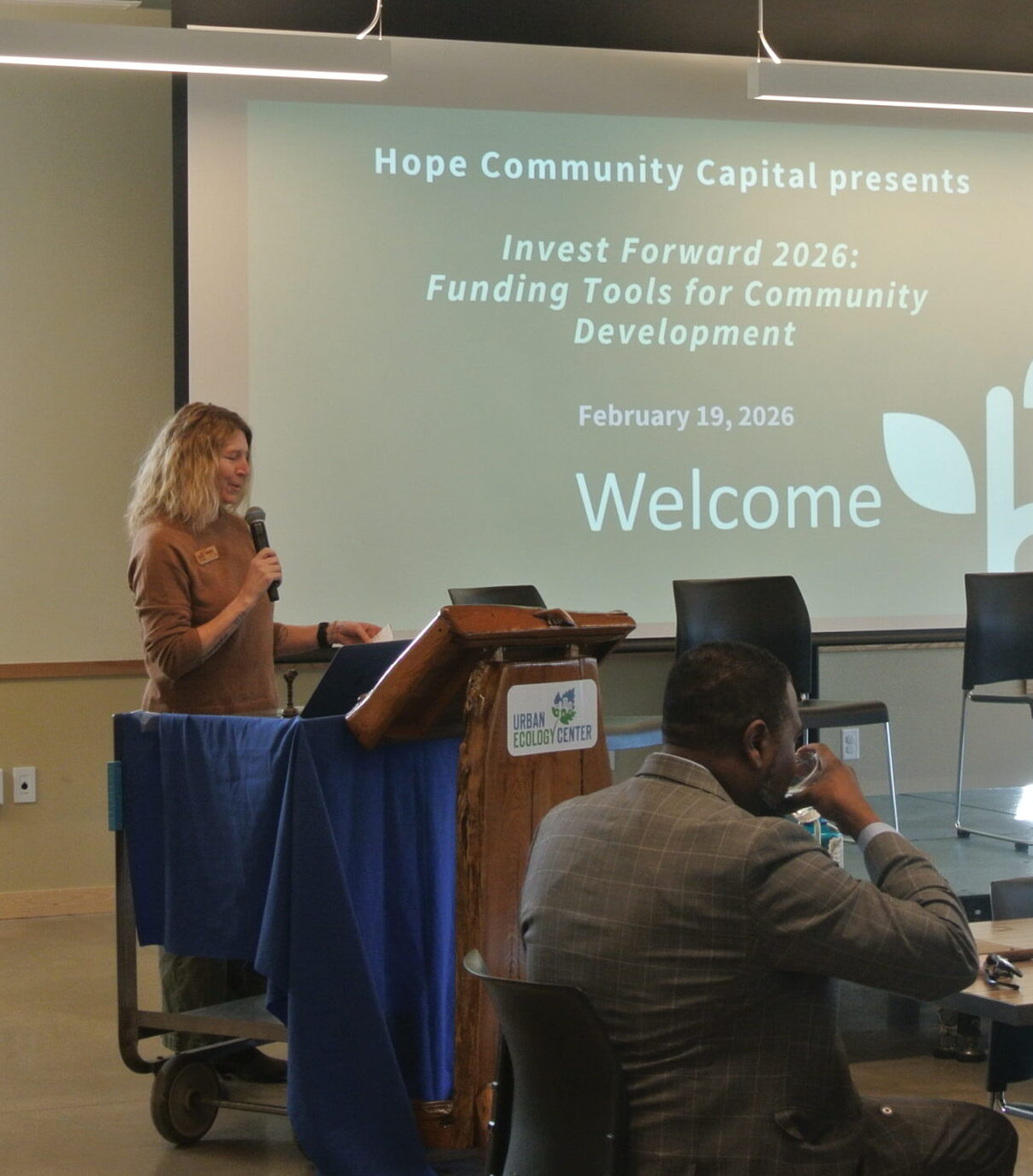
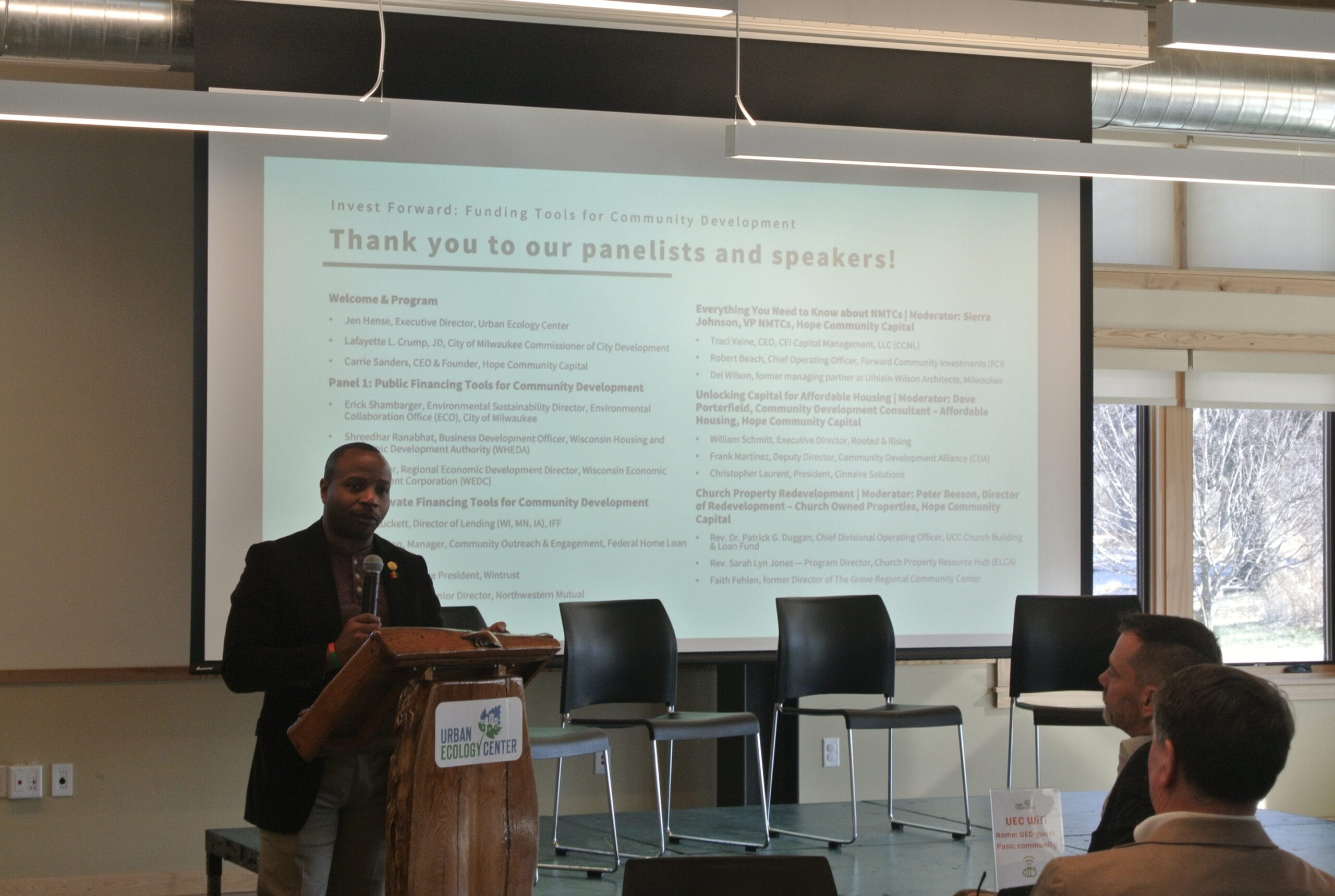
The day began with a warm welcome from Jen Hense, Executive Director of the Urban Ecology Center, followed by insights from Lafayette L. Crump, JD, City of Milwaukee Commissioner of City Development. Commissioner Crump explained what the year of housing means, “It reflects a clear understanding that housing stability and access to public services and neighborhood investment are a foundation to an economically thriving city.”
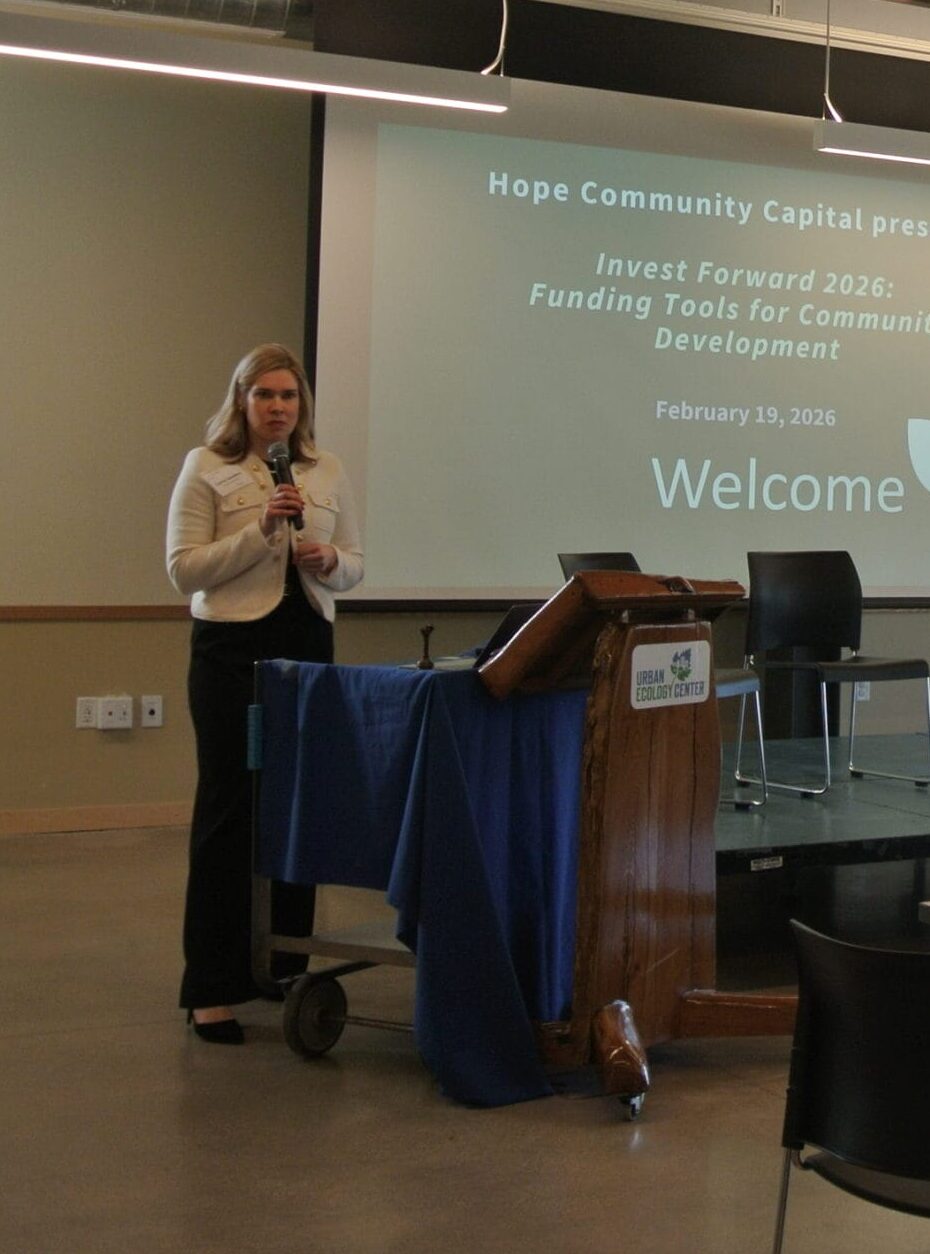
We then heard a keynote from Carrie Sanders, CEO & Founder of Hope Community Capital, who outlined why community development finance is not abstract theory,
That’s why yesterday was so impactful in my view. Discovering how many resources actually exist is so invigorating. There are pathways. There are tools. There are people thinking about how to make development more accessible.
Aga Artka
it’s practical problem‑solving that supports clinics, childcare centers, workforce hubs, and other essential facilities in communities that need them most.
When residents have safe, affordable homes, children do better in school, workers are more productive, neighborhoods thrive, and physical and mental health improve.
Lafayette L. Crump, JD
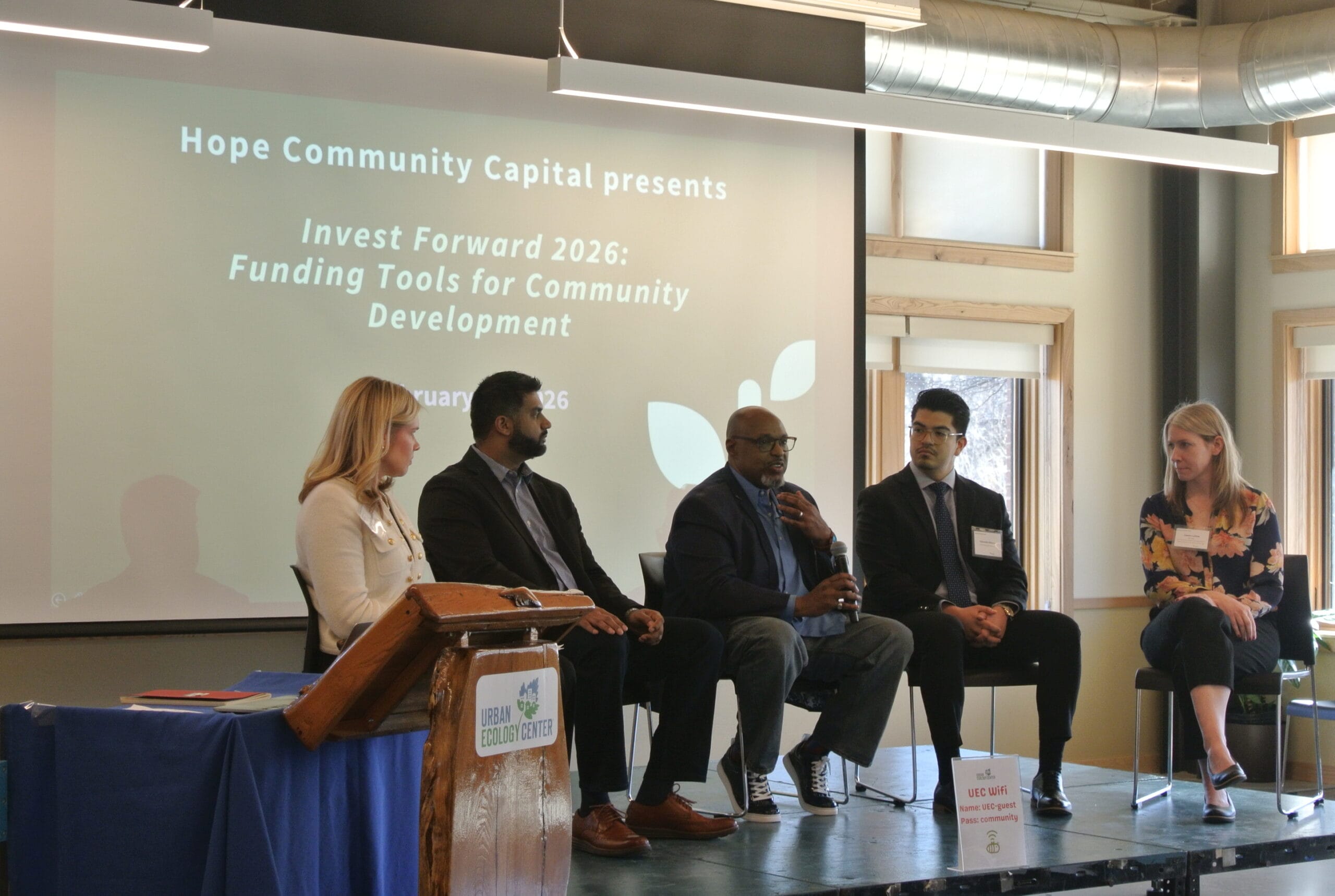
City of Milwaukee Commissioner of City DevelopmentPanel 1: Public Financing Tools for Community Development
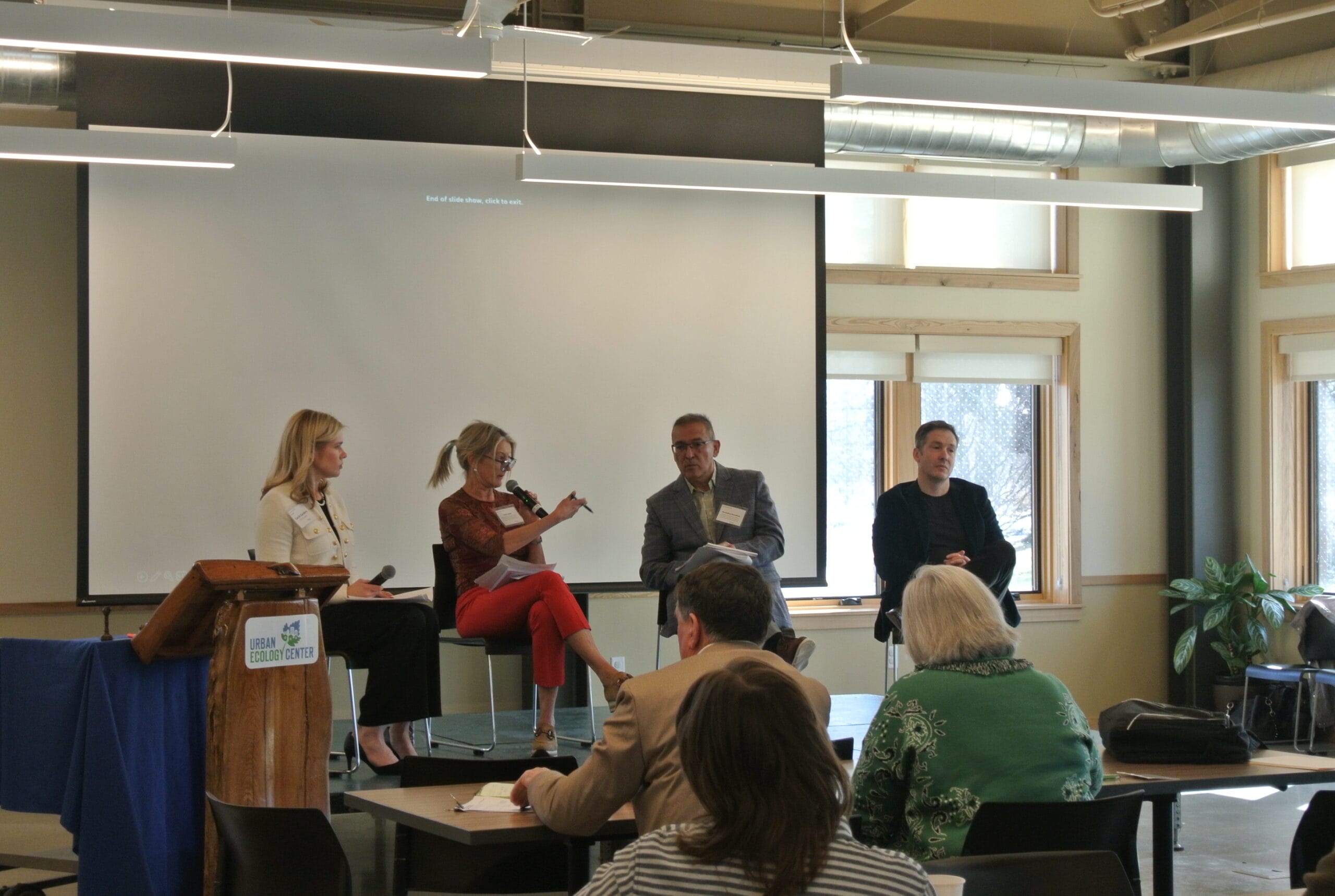
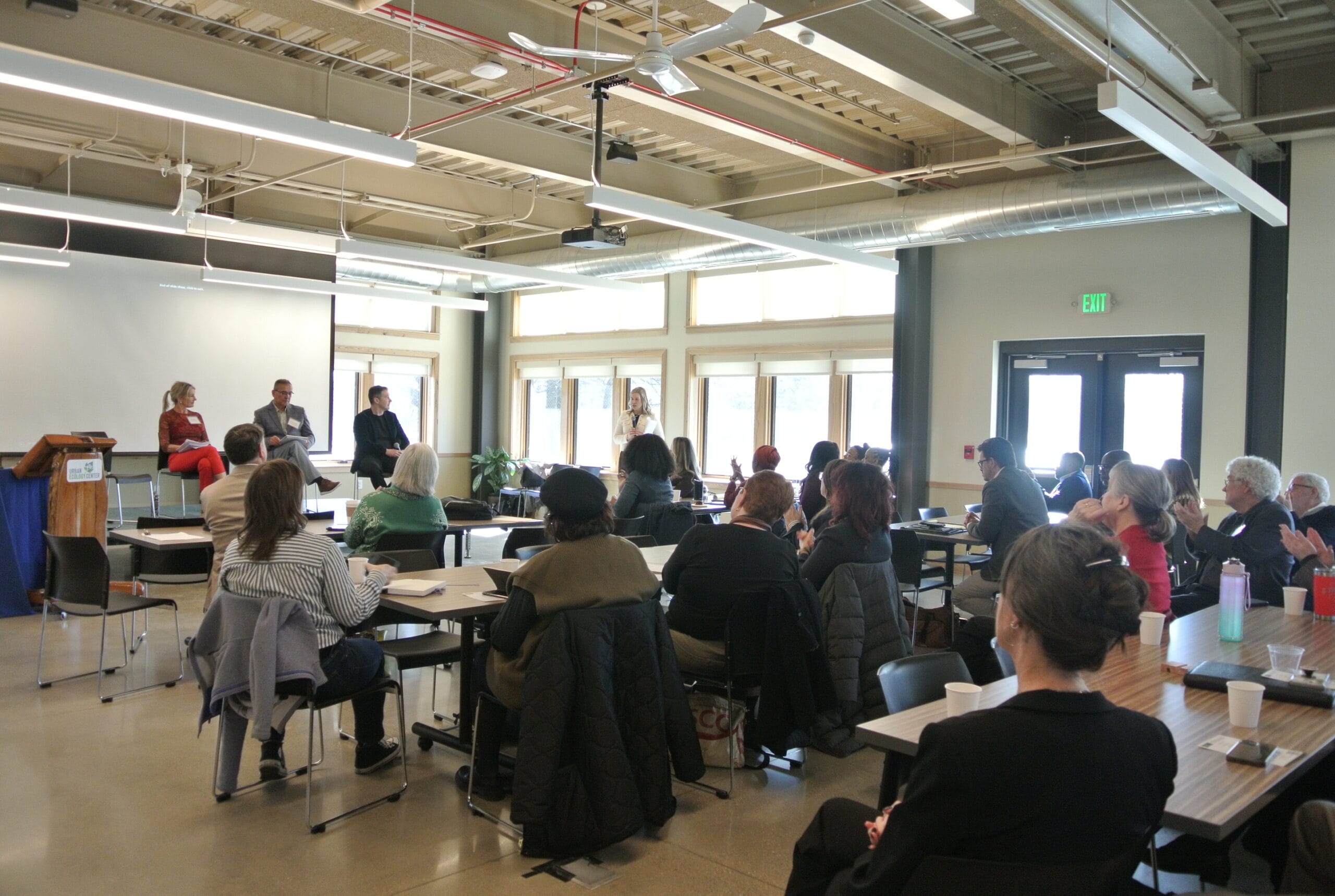
Our first panel highlighted the public-sector strategies and tools that help projects close critical financing gaps. Speakers included:
- Tracy Luber, Regional Economic Development Director, WEDC
- Shreedhar Ranabhat, Business Development Officer, WHEDA
- Erick Shambarger, Environmental Sustainability Director, Environmental Collaboration Office (ECO), City of Milwaukee
PUBLIC FINANCING TOOLS ARE MOST POWERFUL WHEN STACKED AND SEQUENCED INTENTIONALLY
Together, all three panelists made a compelling case that:
- Community development relies on synergy between site readiness, reinvestment of underutilized assets, tax credits, grants, and long‑term financing.
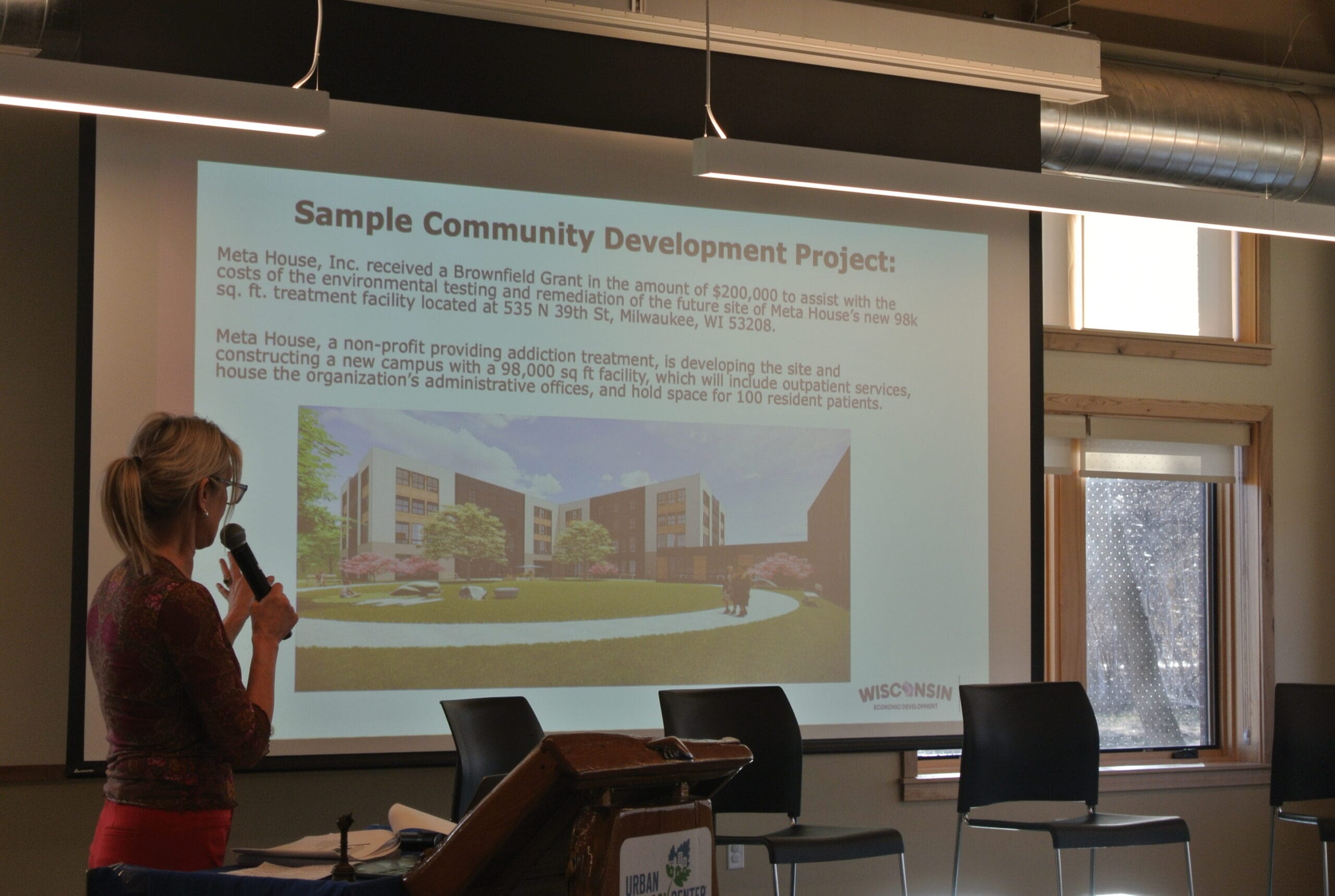
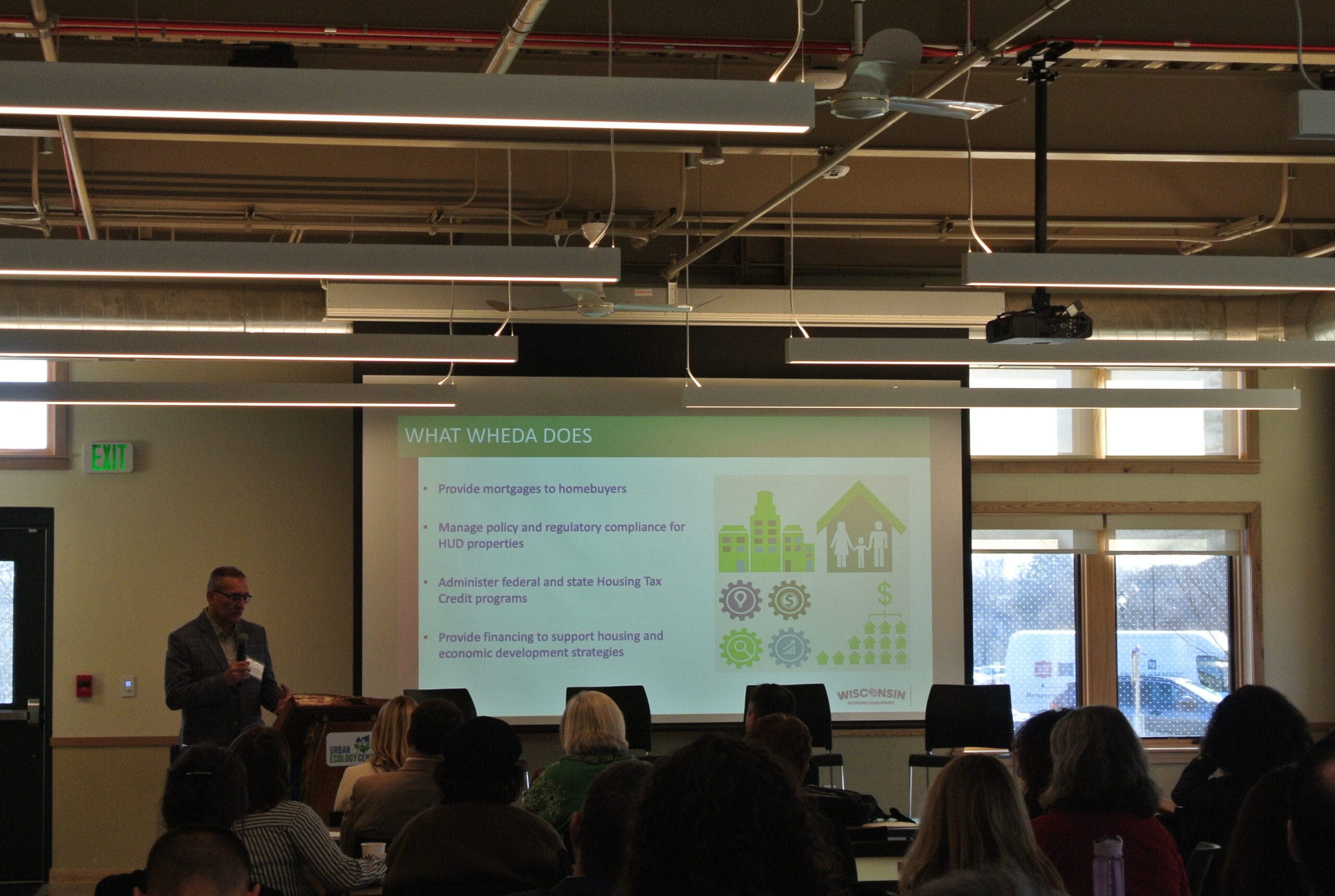
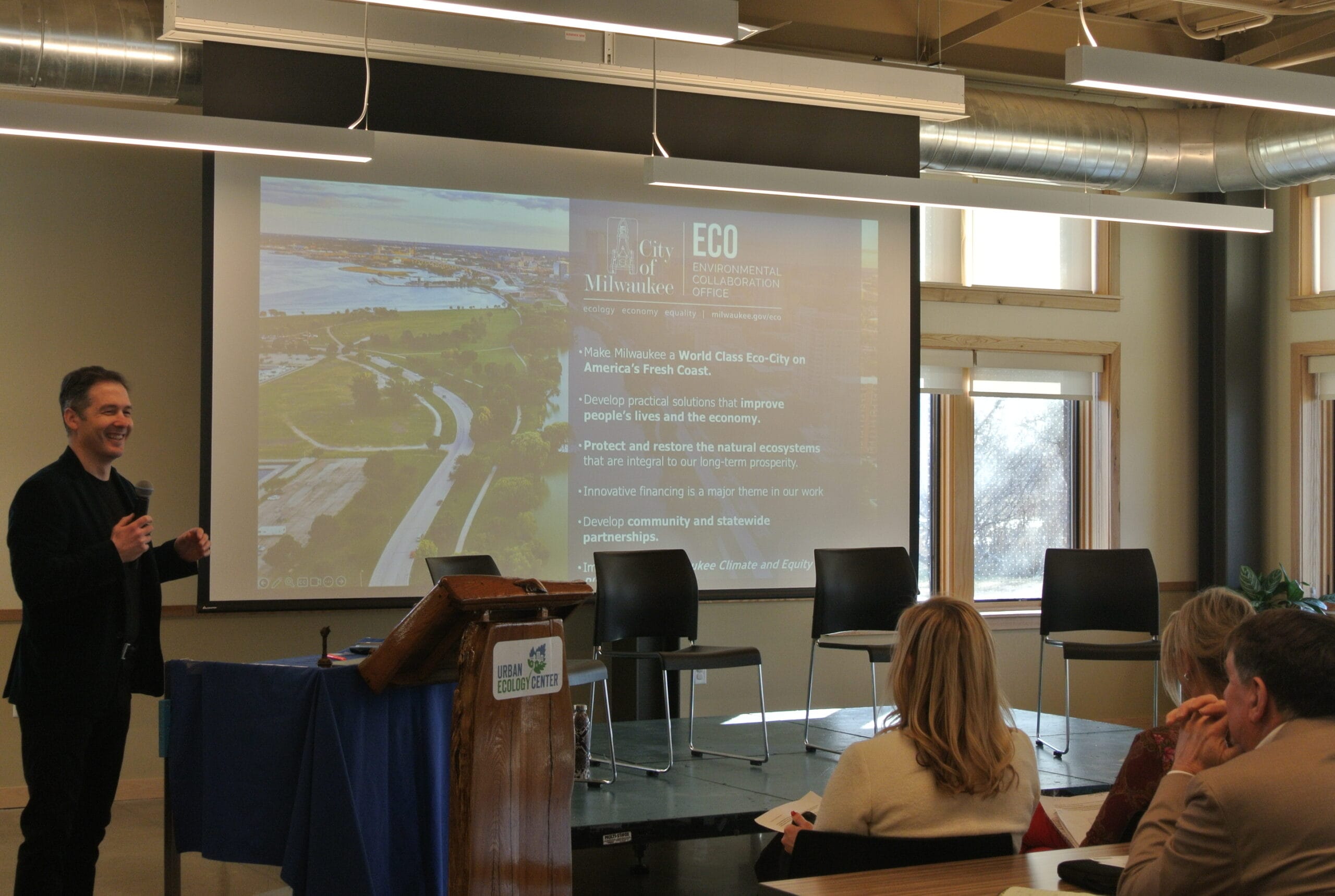
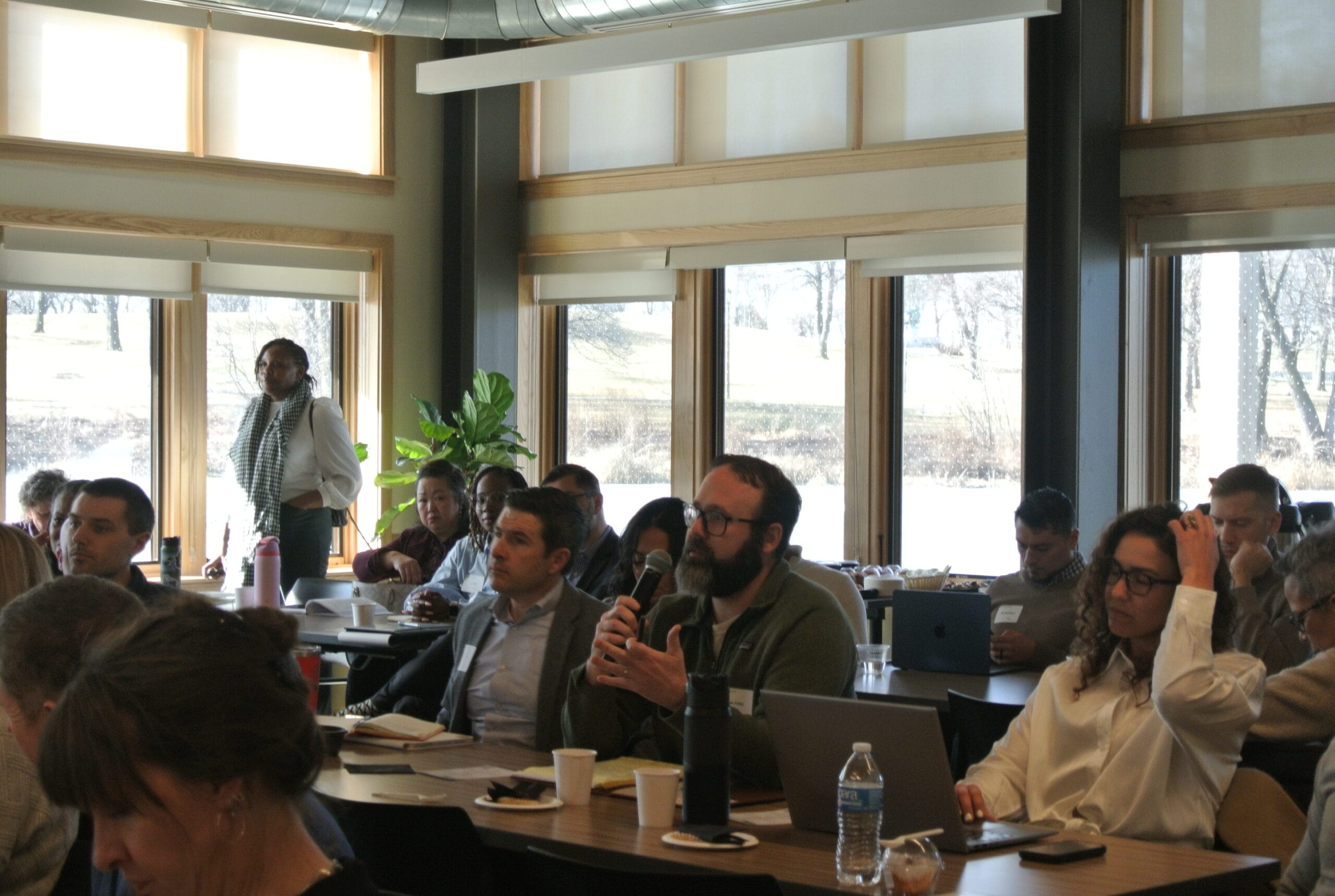
All of the financing/funding pieces of a project usually have to come together at the same time rather than sequentially (i.e. securing one piece of funding first, then another, then another) because they all rely on each other and have to work together.
Katrina Becker
- No single tool can carry a project — impact happens when tools are layered strategically.
- Successful projects require early engagement with public agencies to avoid delays and maximize eligibility.
This message reinforced a core Invest Forward theme: projects don’t fail for lack of vision — they fail for lack of structured capital. Public tools fill that gap. Erick Shambarger added, “We are really excited to work with all of you and be a piece of your capital stack to make your developments green, energy efficient, and affordable for the long-term.”
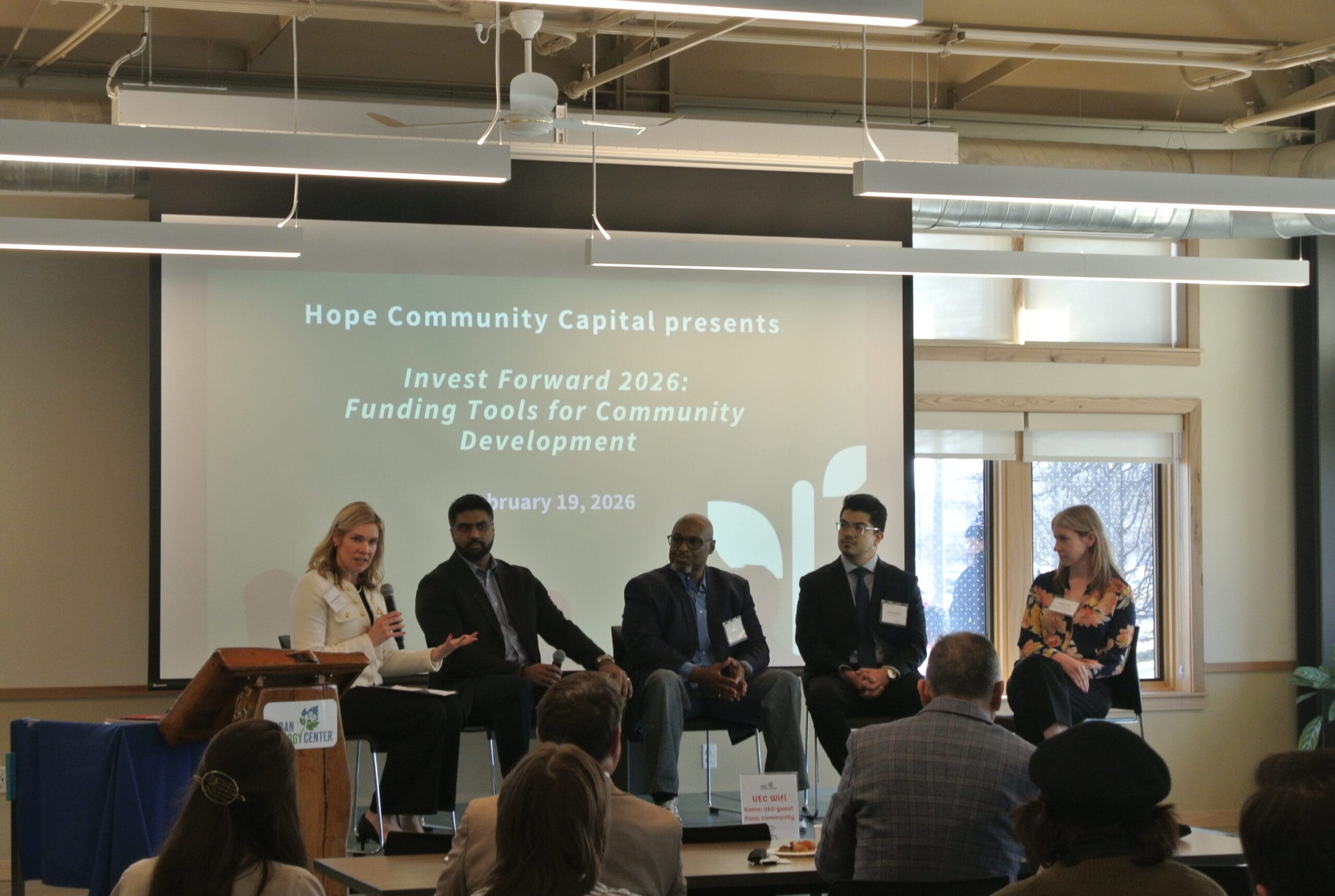
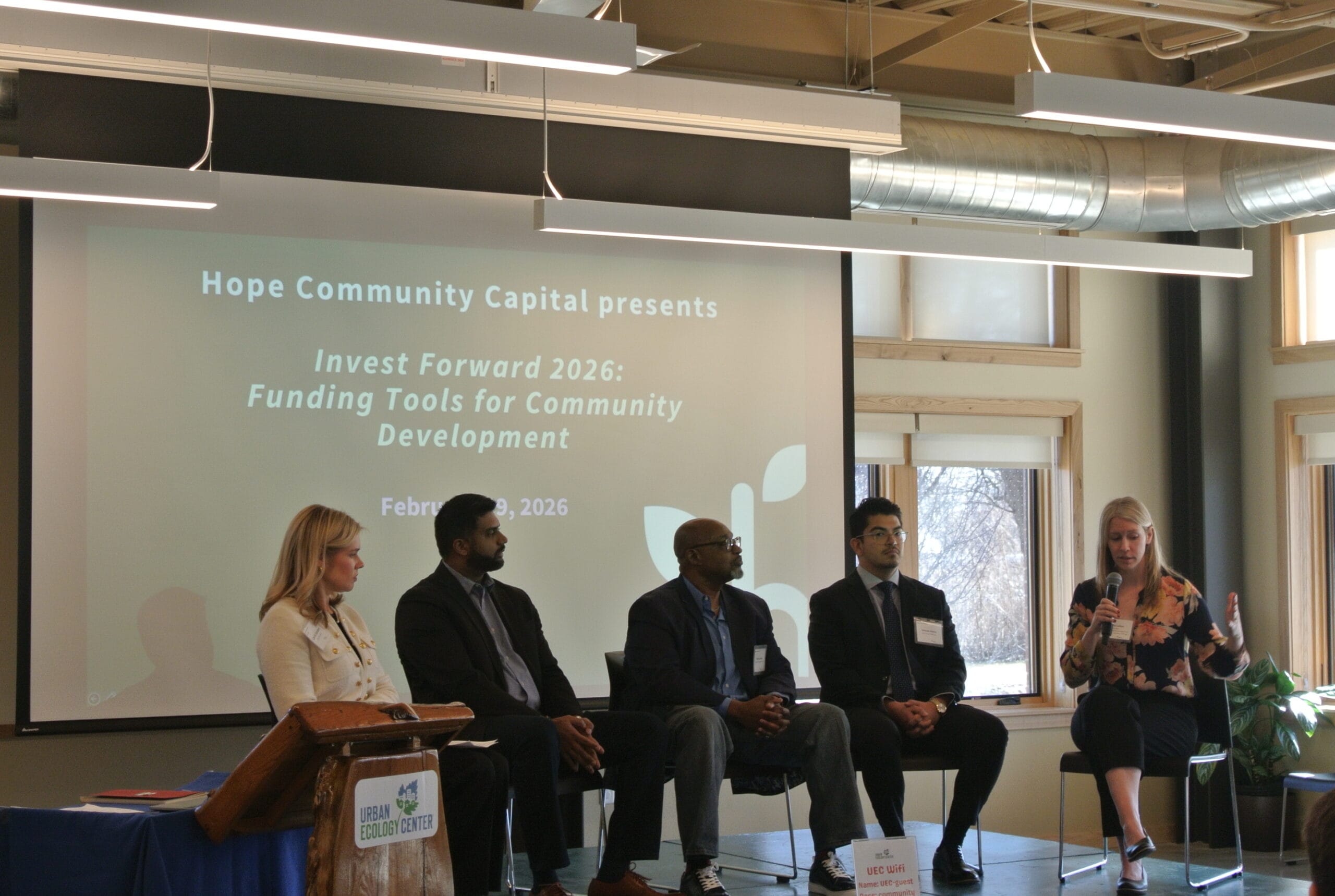
Panel 2: Private Financing Tools for Community Development
Our second panel brought forward private-sector partners who play a pivotal role in blending capital for community-benefit projects:
- Eduardo Aldana, Vice President, Wintrust
- Moiz Dawoodbhai, Senior Director of Impact Investment and Venture Growth Strategy, Northwestern Mutual
- Darian Luckett, Director of Lending (WI, MN, IA), IFF
- Jamie Lutton, Manager of Community Outreach & Engagement, Federal Home Loan Bank of Chicago
One message came through repeatedly: developers who engage funders early and keep lines of communication open throughout the process are the ones who get to “yes” more often and with fewer surprises. Key highlights included:
- Mission-aligned lenders evaluate both financial feasibility and community impact. Providers underwrite projects through a double or triple bottom‑line framework, still evaluating financial feasibility, but also weighing environmental, social, and community impact. Their products are intentionally structured to fill financing gaps for projects in low‑income communities or serving low‑income residents.
- The biggest mistake financing applicants make is not fully understanding their own project. Panelists emphasized that many financing requests stall simply because project teams can’t clearly explain their numbers. When sources and uses are unclear, project operating income is unrealistic, or risks go unacknowledged, lenders struggle to move the deal forward. Strong applications clearly show how the project will repay financing and how risks will be mitigated.
- The strongest proposals anticipate the lender’s underwriting. One of the most practical insights shared was that project sponsors should do the underwriting before approaching capital providers. When project sponsors present a clear financial model, explain risks, and identify mitigation strategies, the conversation with lenders becomes far more productive. Starting from a well-understood project structure allows capital providers to focus on how to optimize the capital stack and maximize community impact.
- Blended capital structures are often necessary for high-impact projects. Many community development projects require multiple layers of capital, combining private financing with public funds such as grants, tax credits, and other subsidies.
A Midday Highlight: Remarks from Mayor Cavalier Johnson
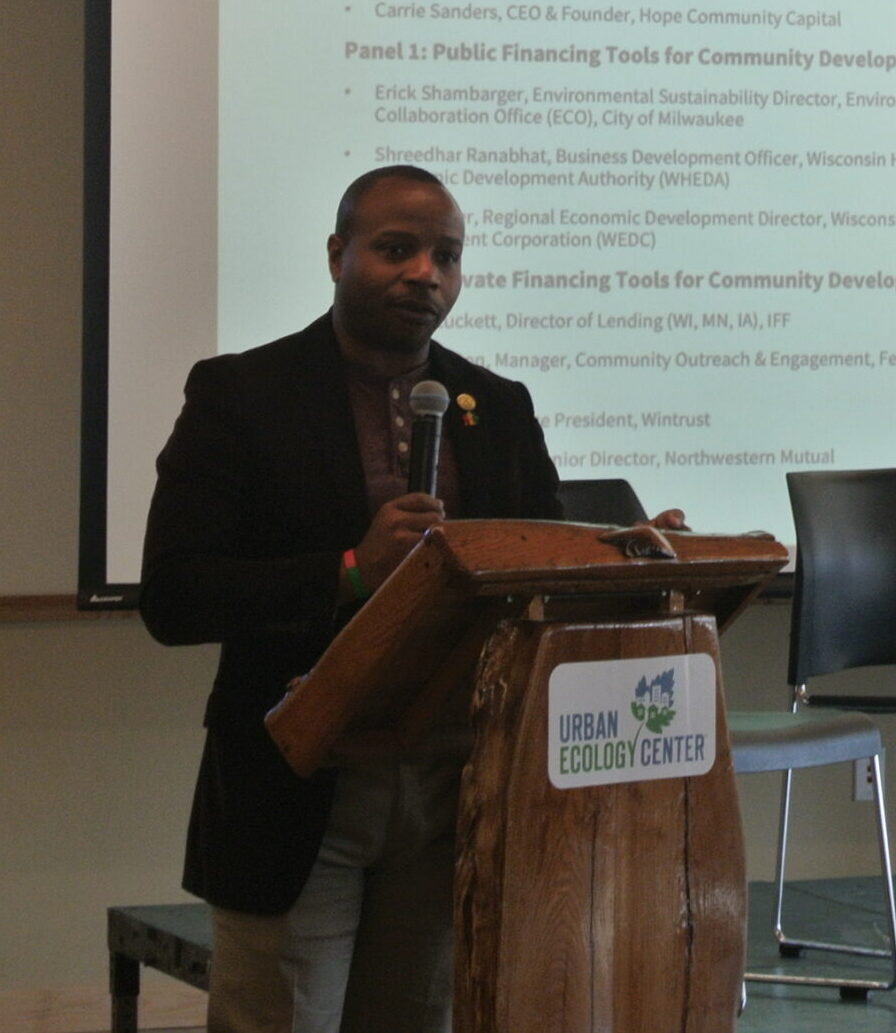
One of the more memorable moments of the day came after our lunch program, when Milwaukee Mayor Cavalier Johnson joined us to share the city’s focus on addressing the housing shortage and expanding opportunity in 2026, now officially Milwaukee’s Year of Housing.
His remarks underscored the importance of cross‑sector partnerships and community‑driven development as the city works to make progress on affordability, workforce, and neighborhood‑level investment. “When families thrive, our neighborhoods thrive,” he noted.
"Everything begins right at home. More homes, more affordability, means more opportunities."
Mayor Cavalier Johnson
Afternoon Breakout Sessions: Deep-Dive Learning Tracks
In the afternoon, attendees selected one of three concurrent breakout sessions for hands‑on, actionable learning:
1. Everything You Need to Know About NMTC
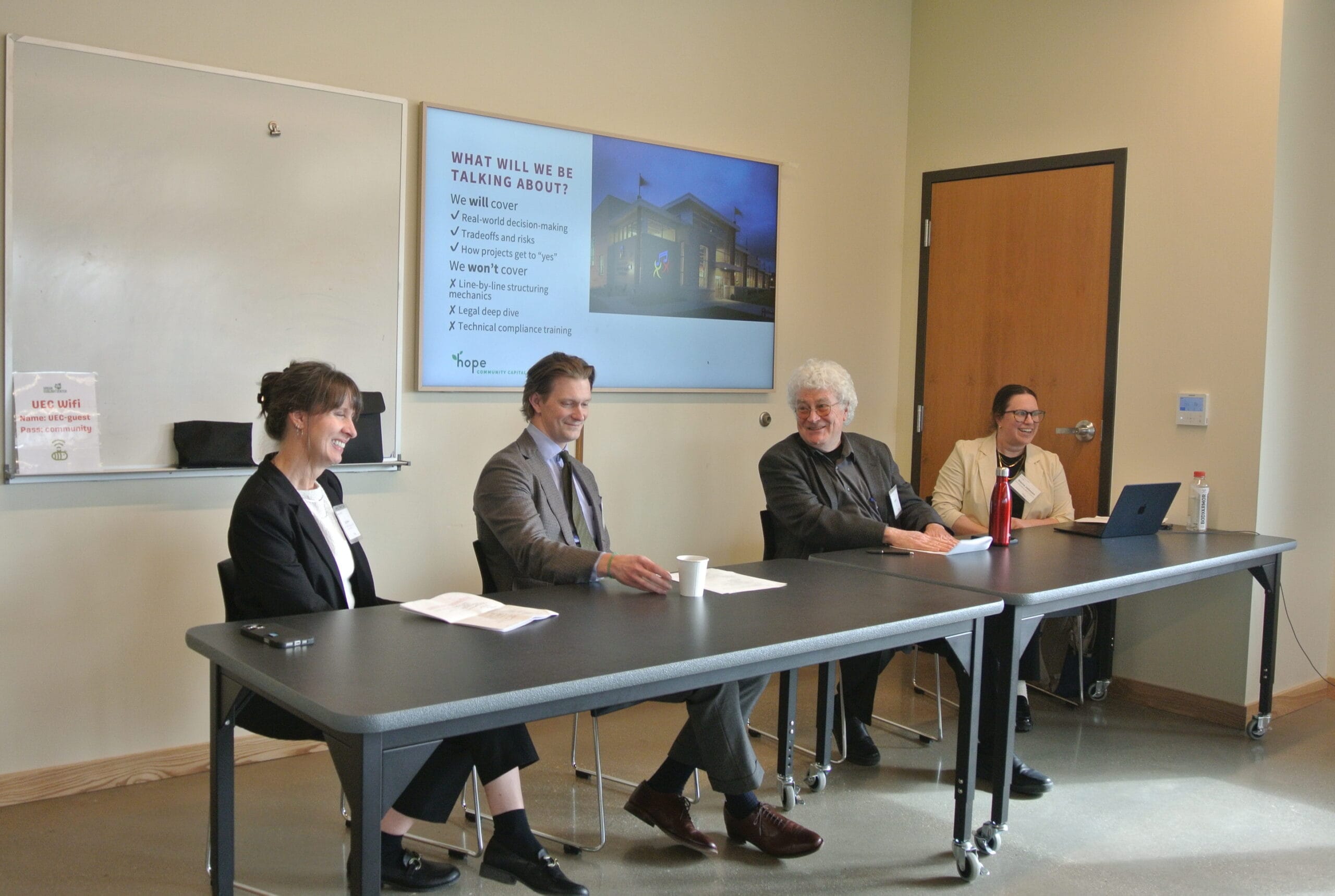
Featuring Robert Beach, COO, Forward Community Investments (FCI), Traci Vaine, CEO, CEI Capital Management LLC (CCML), and Del Wilson, former Managing Partner at Uihlein-Wilson Architects, this session broke down how NMTC structures work, who benefits, and the steps needed to bring an NMTC‑eligible project across the finish line. Our very own Sierra Johnson, VP New Markets Tax Credits moderated this lively session.
One thing is clear: New Markets Tax Credits are one of the most effective, but misunderstood, tools for community development. Here’s what stood out:
- The NMTC program channels private dollars into neighborhoods that have long struggled to attract investment, helping essential community projects finally get to “yes.”
- It takes a partnership ecosystem to make a project happen. Investors bring capital, CDEs evaluate impact and deploy it, and the community business (QALICB) turns that financing into something meaningful on the ground.
- Only businesses and non-profits in distressed census tracts can participate, and some business types are intentionally excluded to ensure the program drives positive social outcomes.
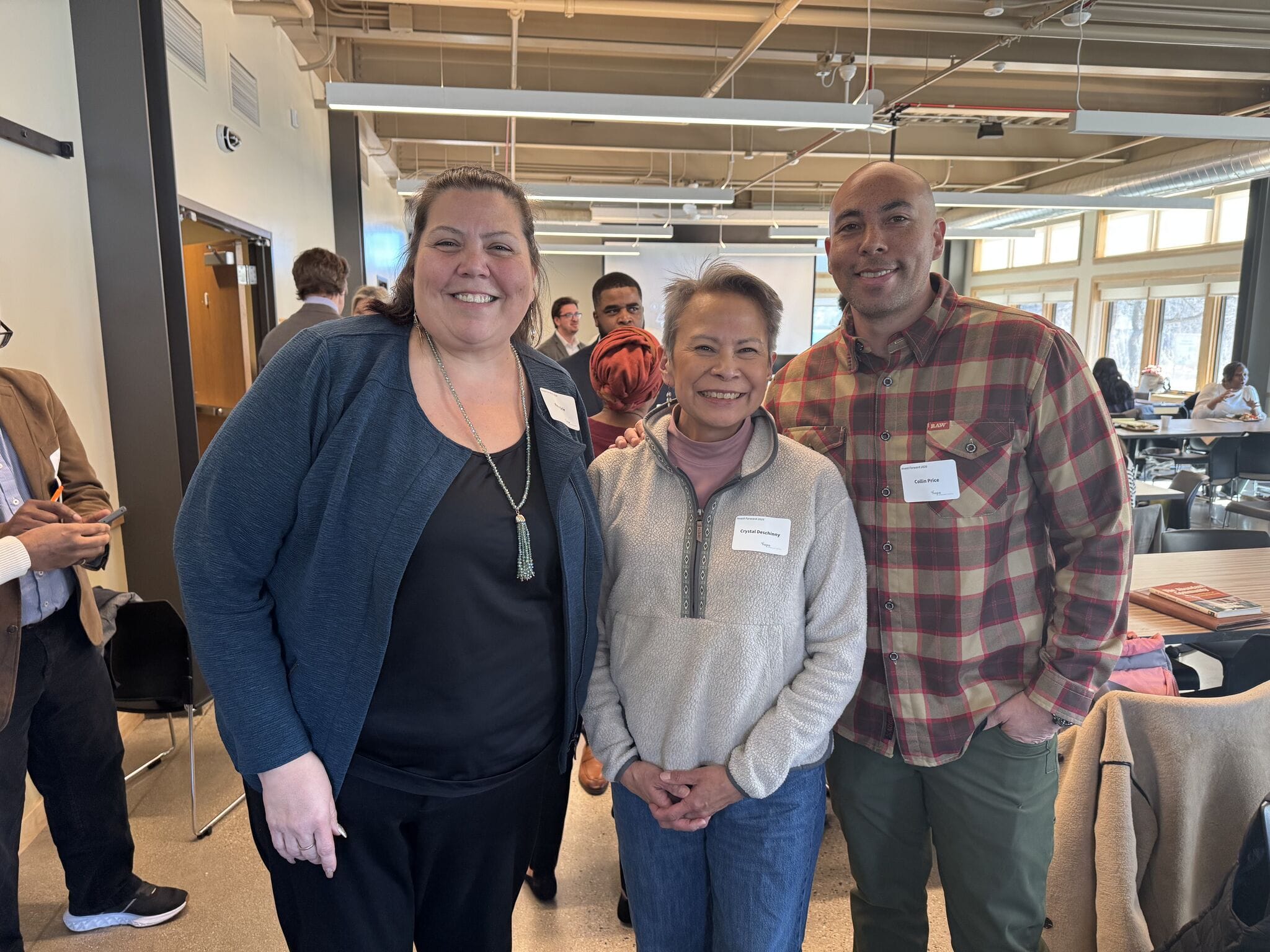
- The NMTC isn’t the whole capital stack. It typically fills 15–20% of total project cost, enabling organizations to borrow less and build sooner.
- Our panelists leaders shared how mission, feasibility, and readiness all shape the final decision — not just spreadsheets.
2. Unlocking Capital for Affordable Housing
With insights from Christopher Laurent, President, Cinnaire Solutions, Frank Martinez, Deputy Director, Community Development Alliance (CDA), and Bill Schmitt, Executive Director, Rooted & Rising, this session explored tax incentives, grants, and creative financing approaches powering Wisconsin’s affordable housing pipeline. Dave Porterfield, Community Development Consultant – Affordable Housing at HCC, moderated this session, bringing his decades of experience to this deeply informative breakout.
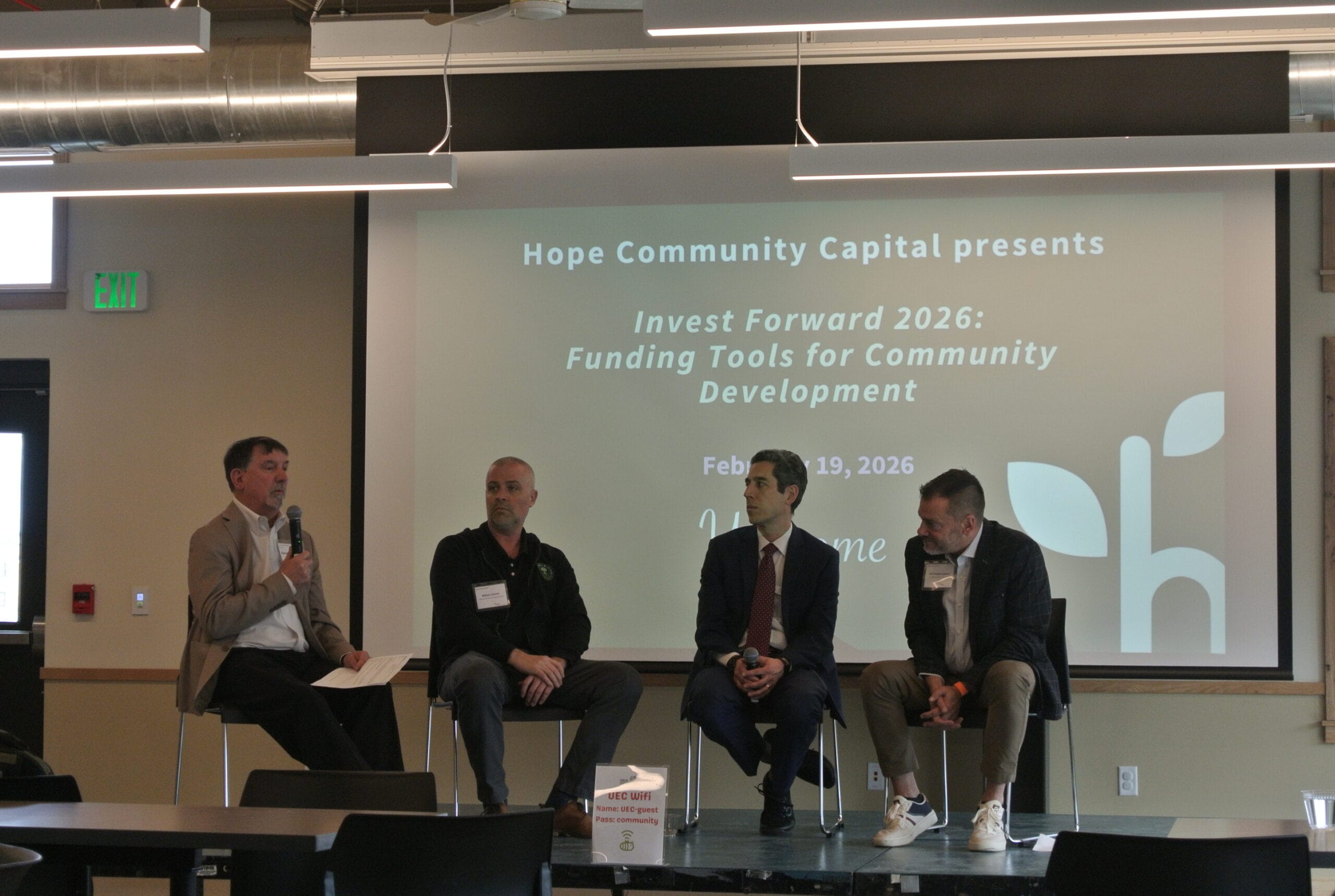
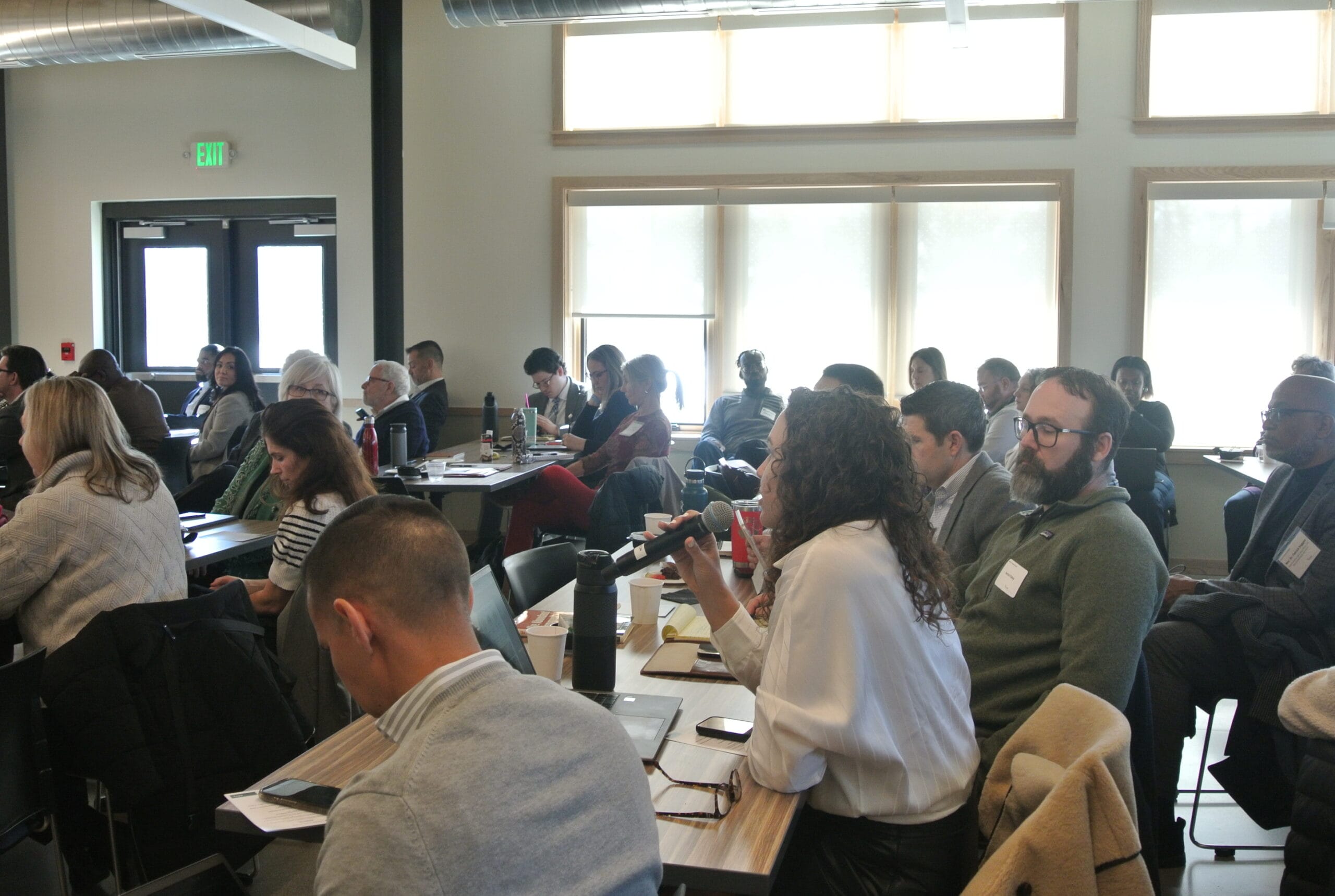
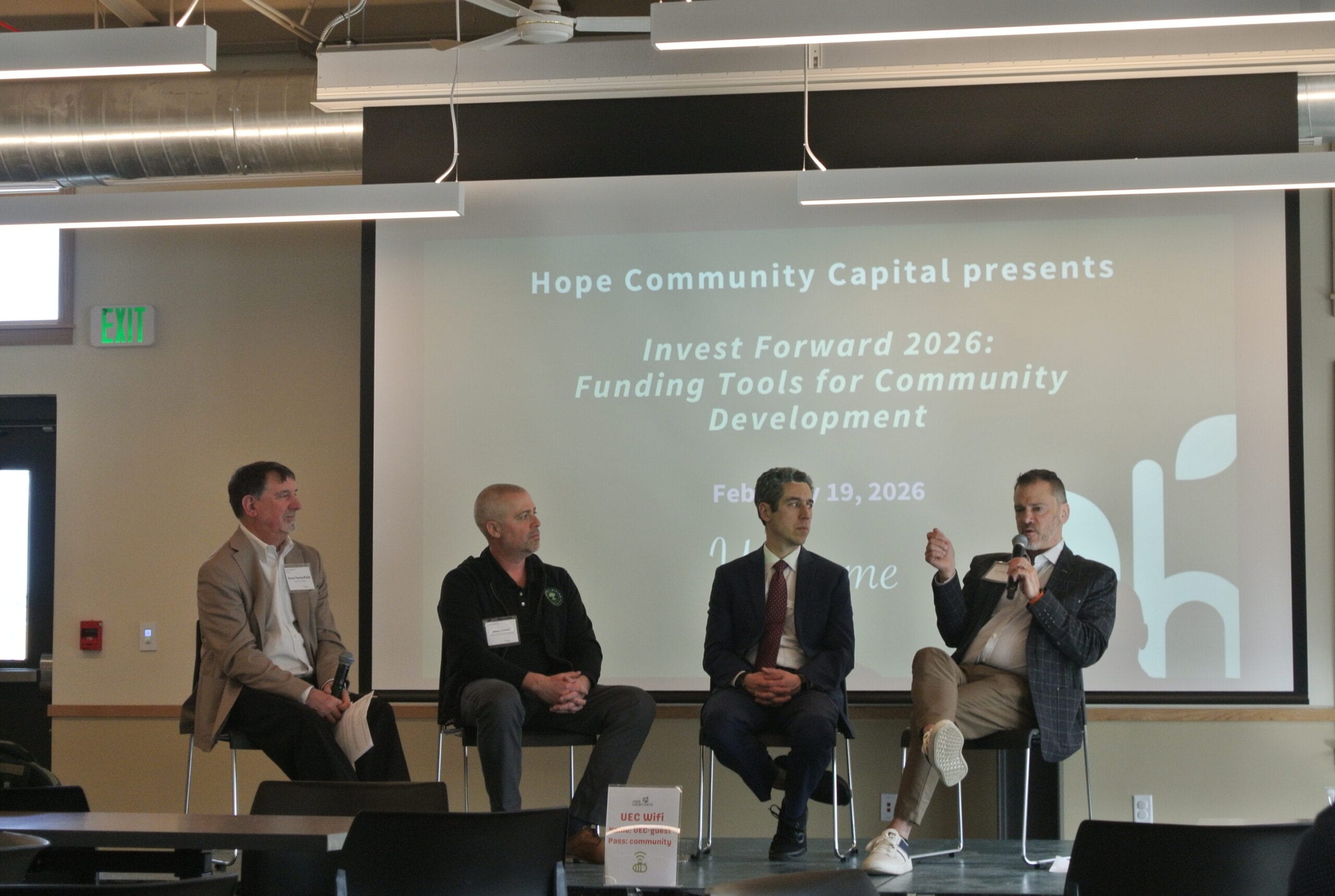
- Two barriers stall most projects: financing gaps + political alignment. Once developers secure gap financing and political support (zoning, incentives, public participation), many stalled projects begin to advance.
- Panelists stressed that developers must be realistic about construction costs, operations, and risks. Strong projects build in contingency, anticipate surprises, and include partners capable of absorbing shocks as they arise.
- Location often determines what capital is available. Tools like LIHTC, TID, HOME, AHP, philanthropy, and employer programs depend highly on geography. A project that works in one city may not work in another simply because the local toolkit is different. Developers must adapt their financing strategy accordingly.
- The order in which capital arrives matters. Early, patient, low‑cost capital — often from philanthropic or flexible sources — smooths the path for additional layers such as debt, tax credit equity, or public funds. Every capital component, including donated land, carries expectations that affect structure.
- The panel emphasized that many developers seek funding without fully grasping their own costs, pro formas, or gaps. Teams that can articulate costs, gaps, risks, and mitigation strategies, and can adapt when conditions shift are the ones that ultimately close deals.
As one panelist put it: the math isn't mathing. And when a single project requires 8 to 10 capital sources, each with its own compliance requirements and objectives, that's a system design problem, not an organizational one.
Liz Sidor
3. Church Property Redevelopment
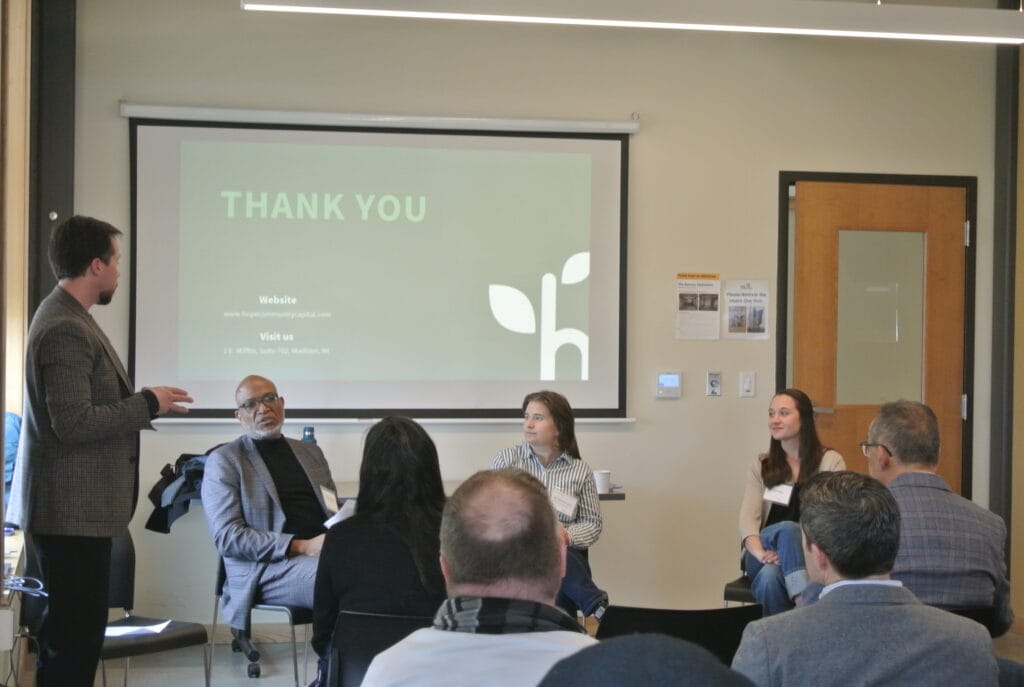
With expert perspectives from Rev. Dr. Patrick G. Duggan, Chief Divisional Operating Officer, UCC Church Building & Loan Fund, Faith Fehlen, recently served as the Director, The Grove Regional Community Center, and Rev. Sarah Lyn Jones, Program Director, Church Property Resource Hub (ECLA), this discussion focused on converting underused religious properties into community assets with lasting impact. Led by Peter Beeson, HCC’s Director of Redevelopment – Church Owned Properties, using his vast experience, he helped guide how churches can reimagine their real estate as a strategic asset, rather than a burden.
The clear theme: church real estate may be one of the most overlooked tools for community revitalization today.
- Membership declines, building closures, and demographic shifts are pushing congregations to rethink how their physical spaces can serve their mission in a changing world, creating reuse opportunities.
- Faith communities control 2.6 million acres of high-potential real estate. Many churches occupying transit-connected, walkable sites —
- the kind of parcels that rarely become available and that can anchor truly transformative community projects.
- Redevelopment can create housing, childcare centers, and multi‑use community spaces.
- Churches, CDFIs, local governments, foundations, and community groups each play a role. The most successful projects are those where mission and community voice guide every major decision.
Why This Work Matters
Throughout the summit, a common message emerged: community development finance is foundational infrastructure work vital to keeping families stable, employers strong, and neighborhoods vibrant. The tools discussed throughout the day help communities:
- bring essential services closer to home,
- unlock capital for projects with high community value,
- support workforce participation, and
- revitalize underused spaces into productive, community‑serving assets.
Thank You to Our Speakers, Partners, and Attendees
This event would not have been possible without the generosity, expertise, and collaboration of every speaker, panelist, facilitator, partner, and participant who contributed to the day.
We were honored to host our event at the UEC – Washington Park, a past HCC project that received $8M in NMTC funding. Interested in learning more about this project? Check out our project page.
Invest Forward 2027
Eager for more or couldn’t make it this year? Mark your calendar for our 2027 Invest Forward workshop on February 18. Subscribe to our news and follow us on LinkedIn to stay up to date on all things community development finance.