
Beyond Four Walls: Investing in Dignity, Stability, and Opportunity

About This
Event
Creating affordable housing is about more than constructing buildings and delivering services. We know it takes capital stacks, construction costs, and compliance requirements, but what does it take to create housing where people can truly thrive? Communities where people are treated with dignity, build meaningful relationships, and have access to the support and opportunities they need?
Hope Community Capital hosted a candid conversation with frontline property managers and service providers who work alongside vulnerable residents every day. Together, they explore why housing stability depends on far more than a physical unit and why supportive services are not simply an “add-on” to housing, but part of a broader ecosystem essential to creating dignity, stability, opportunity, and belonging.
Our panelists share insights from their work helping individuals and families achieve stability and lasting success through a holistic approach that recognizes the connections between housing, food security, employment, childcare, relationships, and belonging.
Topics include:
- What dignity looks like in practice, not just in theory
- How housing connects to food security, employment, childcare, and community
- Why relationships, trust, and resident choice are critical to long-term stability
- What developers should consider during project planning, not after completion
- Common misconceptions funders and housing partners have about serving vulnerable residents
- The true financial and operational resources required to deliver holistic support
If we’re serious about creating housing that changes lives, we must look beyond the four walls of a building and better understand the investments, partnerships, and people-power needed to help residents flourish.
If you are a developer, funder, community organization or other housing partner and you’re curious about what it takes to create successful housing that lasts, this moderated discussion will give honest perspectives and a deeper understanding of holistic housing solutions.
Having trouble with the video playback? Try going to our YouTube channel.
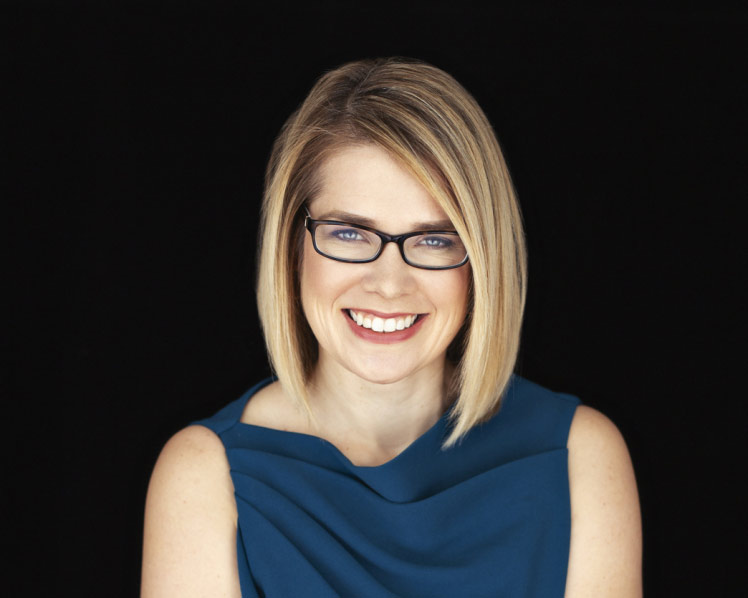
Carrie leads HCC’s strategic initiatives with a mission to support equitable, mission-aligned development across the country, particularly in the areas of affordable housing and community facilities. Carrie has been integral to the closing of over $1 billion in New Markets Tax Credit (NMTC) transactions nationwide, with a specialization in structuring financing for community-serving real estate projects.

Since 2019, Bill has served as the Executive Director of Rooted & Rising – Washington Park, a neighborhood-based nonprofit working in the areas of housing, food security, social work, neighborhood engagement and early childhood education. Founded in 1962 by the United Methodist Church, Rooted & Rising’s housing program consists of 72 units of supportive family housing for which the agency also provides property management and wraparound social services. In 2025-26, Rooted & Rising returned to the housing development sector with the construction of 4 single-family homes as part of the Early Childhood Educators Homeownership Program in collaboration with the City of Milwaukee, LISC Milwaukee, CDA and other partners.
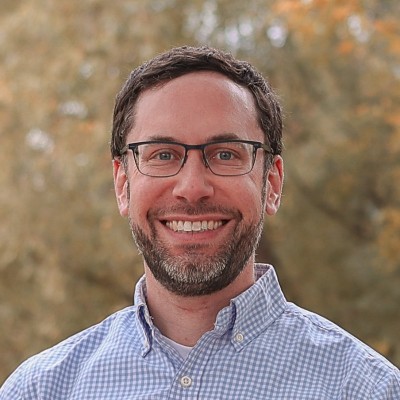
Dan has been with Jewish Family Services since 2015. He is the current President and CEO. Under Dan’s leadership, JFS has expanded programs that integrate housing, supportive services, and community engagement to help individuals and families not only find a place to live, but a place to thrive. He has long emphasized that housing is not just shelter, but a foundation for stability, dignity, and opportunity.
The mission of Jewish Family Services is to provide supportive services that will strengthen families, children and individuals throughout the life cycle within the context of their unique needs and traditions.
Today, JFS offers quality community-based programs that improve the health, personal well-being, and level of independence of thousands of persons with intellectual and developmental disabilities, physical disabilities, age related disabilities, and chronic mental illness. These services are fully accessible and are provided regardless of someone’s health insurance status, household income or ability to pay.