
FINANCED |
|---|
June 2023 |
LOCATION |
Racine, WI |
INVESTOR |
US Bancorp Community Development Corporation |
CDE |
National Trust Community Investment Corporation; First-Ring Industrial Redevelopment Enterprise, Inc. |
CENSUS TRACT |
55101001202 |
Highly Distressed Census Tract
Census tract (55101001202) is highly distressed based on median family income (73.48% area MFI) and unemployment rate ration (1.49x national average).
Additional Distress Criteria
TIF district | Brownfield Redevelopment Area
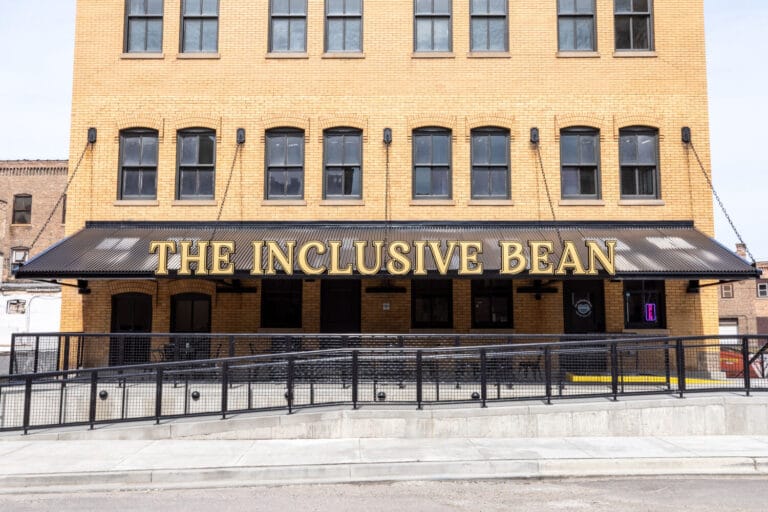
The historic Horlick Malted Mile Factory is being redeveloped for adaptive reuse as a workforce training center, creative maker space, office space providing small business incubation and adult business training programs, light manufacturing space, and a community coffee shop.
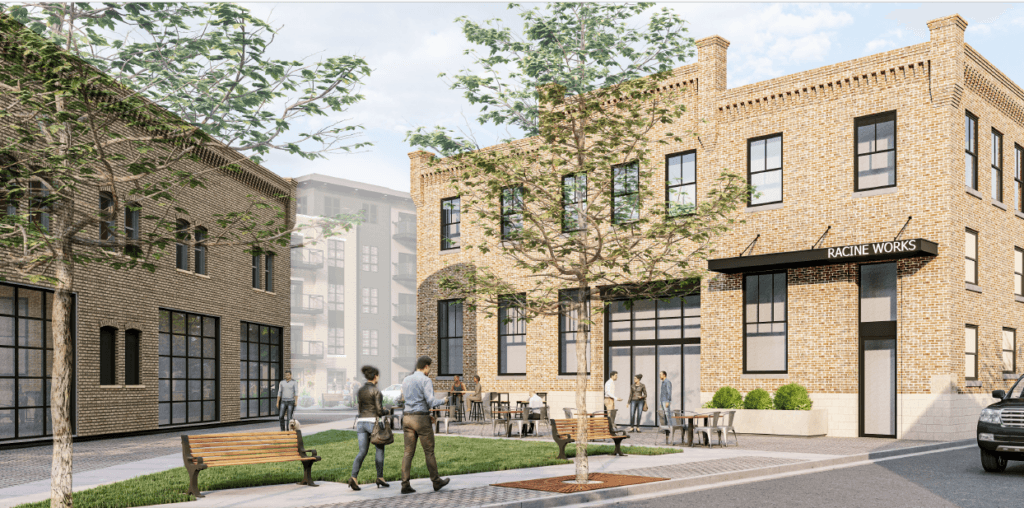
The original factory had four historic buildings, totaling 119,350 square feet. The Bottle House will include the Blue Jenkins Workforce Training Facility, a Maker Space, and a Light Manufacturing space.
The Annex will provide an estimated 25 private office spaces, primarily for emerging and established technology-based and professional services businesses, with eight (8) spaces reserved for startup/remote workers, along with 15 additional unfinished, larger maker spaces.
The Machine Shop will include satellite office space for the Racine County Economic Development Corporation and Racine County Human Services | Workforce Solutions.
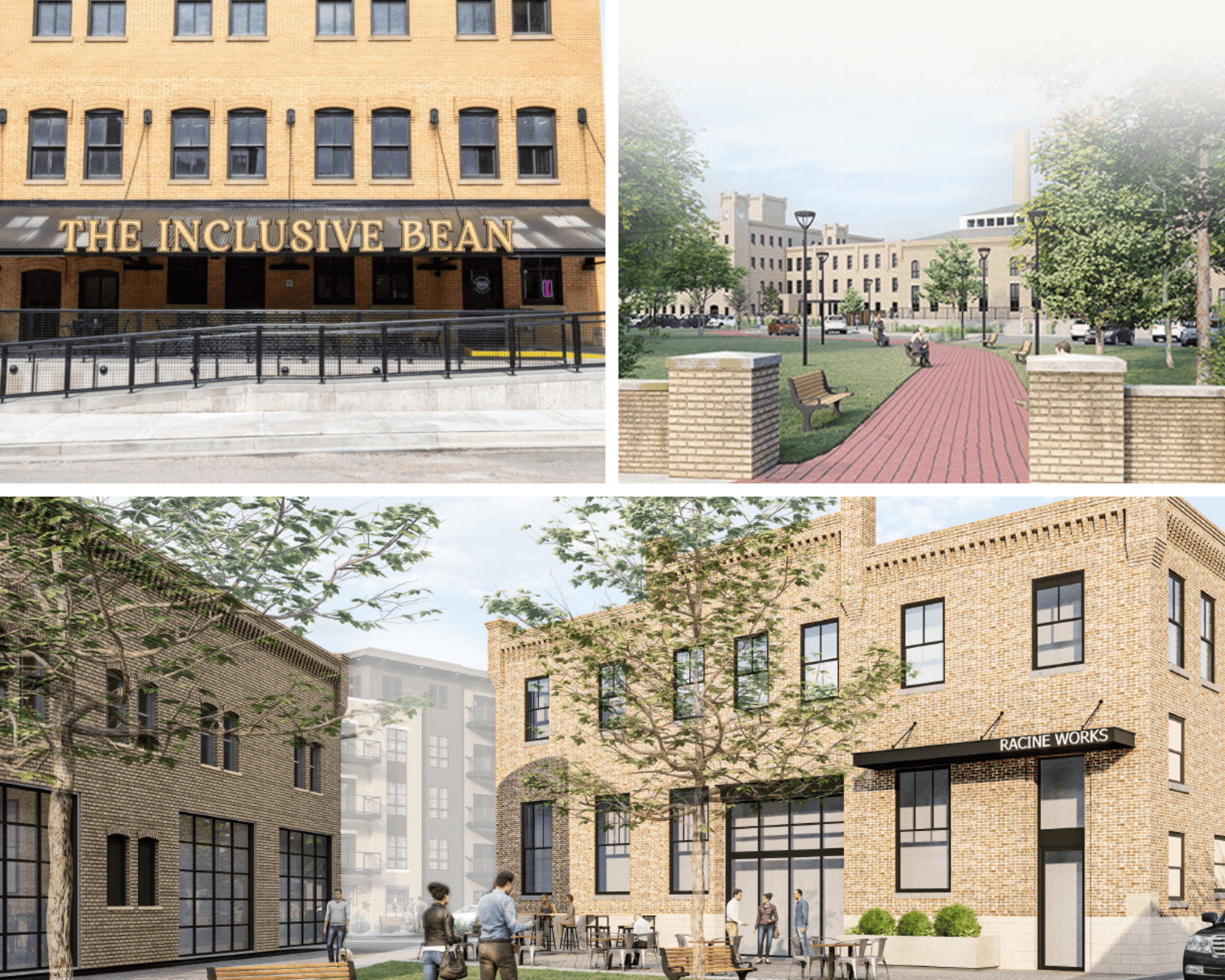
The Depot will be comprised of retail space.
Job Creation
The redevelopment will create over 150 permanent jobs and retain an additional 35 positions, totaling over 200 permanent jobs.
The Inclusive Bean, which will occupy The Depot, is mission driven to hire and train neurodiverse teens and adults, committing to
partnering with Sonnenberg Schools, to train students with special needs.
Workforce Training
Blue Jenkins Training Facility (BJTF) will provide 250 low-income people trained annually in 5-7 week, certified pre-apprenticeship program.
• Programming will include hands-on construction training and safety and management training.
• Networking and other events will be operated through a Community Workforce Partnership coalition to progress over 50% of graduates on to a Registered Apprenticeship track.
Business Incubation/Education
The project will provide 55 spaces for small/cottage producers, arts-based businesses, and start-up businesses. Businesses will be supported through the Racine County Economic Development Corp.’s (RCEDC) emerging BizStarts program that provides 1:1 coaching, personalized mentoring and networking facilitation to create a collaborative learning environment. Businesses will also have access to RCEDC’s existing Business Lending Partners (BLP) program.
- RCEDC will serve 200 entrepreneurs annually with at least 90% anticipated to be low-income at the Project.
- Racine County Human Services | Workforce Solutions will assist 500+ individuals annually, with 60% anticipated to be low-income people, at this location.
- All tenants of the Annex and Bottle House will have preferred access to consultation provided through the City of Racine’s GROW Racine program. GROW Racine provides supportive services that promote financial literacy, minority/small business financing, employment, HSED scholarships and homeownership resources to residents, particularly low-income residents and residents of color. Community meeting space will also be provided at Bottle House/Annex.
The Belle City Promise
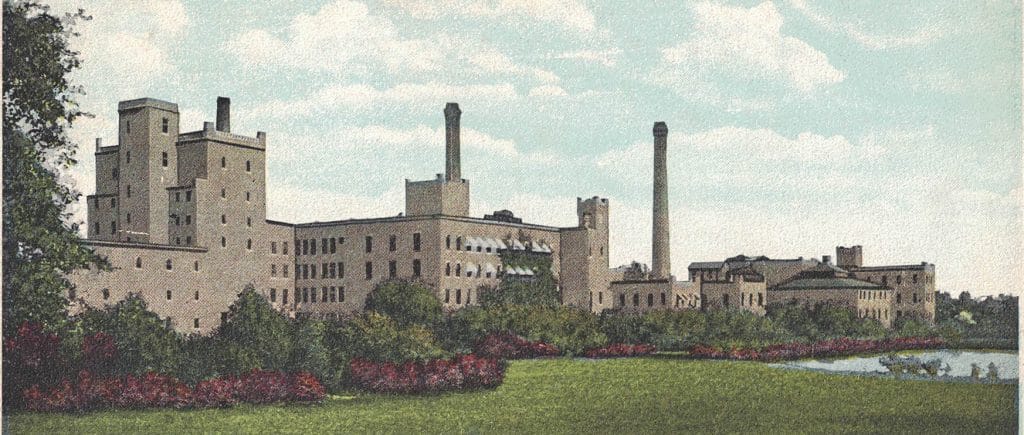
In 1883, William Horlick patented the world’s first “malted milk” powder. The first Horlicks factory built on the site, designed by James Corse & Sons in 1882, is a three-to-four-story industrial building built in a Gothic Revival style. The building, with cream brick walls typical of southeastern Wisconsin, features a clock tower and turrets. The complex encompasses 12 buildings on 16 acres of rich history and a storied past.
After nearly 100 years of prosperity and innovation, the once bustling Horlick Factory was shuttered, idling in anticipation for its next phase. On February, 24, 2020, the Horlick Malted Milk complex was listed National Register of Historic Places. What was once was a lynchpin of employment and opportunity for the city of Racine will once again serve the entire region and its residents — this time as a city center for artists, craftspeople, business owners and residents.